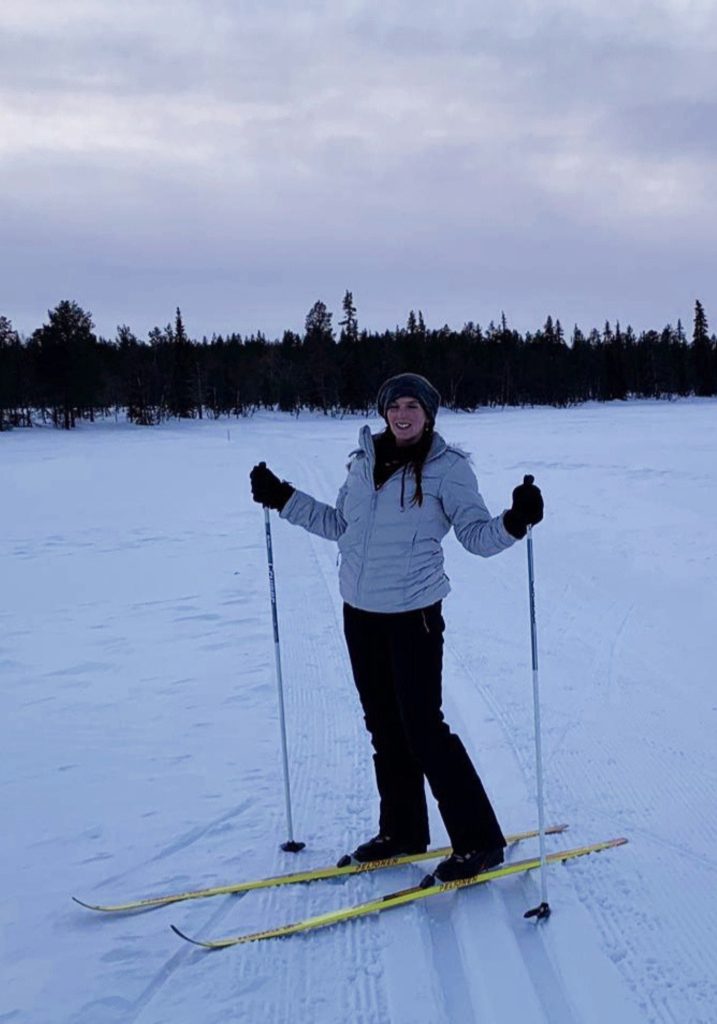
Finland was my first true winter travel experience. I had been to some European cities in winter before – Vienna, Prague, Budapest – but I don’t think anything could have prepared me for the cold in Lapland.
I’ve since been to some incredible winter destinations (Antarctica and Kilimanjaro), so my Lapland wardrobe proved invaluable for these. But I had to do some shopping before I headed to Finnish Lapland.
If you’re wondering what to pack for Lapland in winter, I’m happy to share my must haves below.
You might also like:
Full disclosure! See those links below? If you happen to click on one of these and purchase something I recommend, I’ll get a small commission (wohoo). Don’t worry, this is at no extra cost to you (in fact, often I’ll have some discounts you can enjoy!). As an Amazon Associate, I earn from qualifying sales. You can read my full disclaimer here.
Lapland Winter Packing Overview
Packing for Lapland in winter takes a bit more planning than a normal winter trip. You’re not just dressing for cold weather, you’re dressing for snow, ice, wind, short daylight hours and long stretches outdoors.
The main thing to know is that Lapland cold can be very different from your usual city-break cold. You might be walking through snowy villages one minute, sitting still on a sleigh ride the next, then standing outside at night waiting for the Northern Lights.
Practicality is key here (with the option of a little cuteness!). Warmth, waterproofing and comfort is the goal. Pack well, and you’ll enjoy Lapland for what it is: snowy, freezing and beautiful!
How Cold Does Lapland Get in Winter?
Lapland gets proper cold in winter, especially between December and February. Daytime temperatures can sit well below freezing, and it’s not unusual for them to drop to around -10°C or even -20°C.
The exact temperature depends on where you are, when you visit and what the weather decides to do that week.
Rovaniemi can be a little milder than places further north like Levi, Saariselkä or Inari, but honestly, once you’re below freezing and standing outside at night, ‘milder’ tends to feel like a bit of a generous word.
It can also feel colder than the actual temperature on your weather app suggests. Wind, snow, darkness and standing still during activities like Northern Lights tours or reindeer sleigh rides all make a difference. If you’re moving around, you’ll warm up a bit. If you’re sitting on a sleigh at night, you’ll definitely feel the cold much faster.
What to Wear in Lapland in Winter
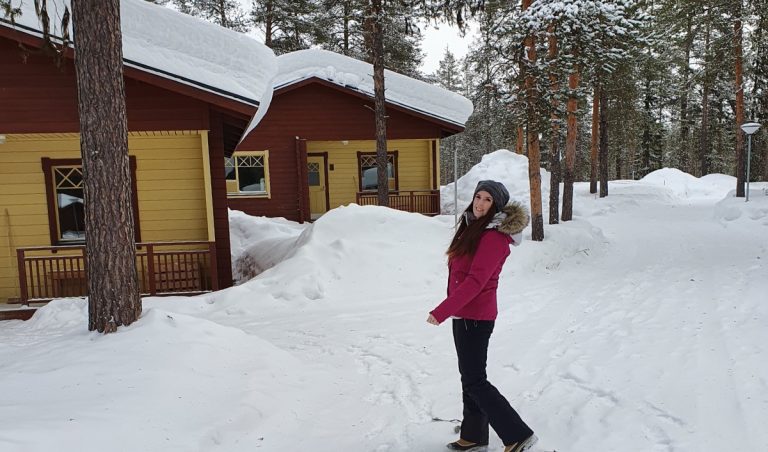
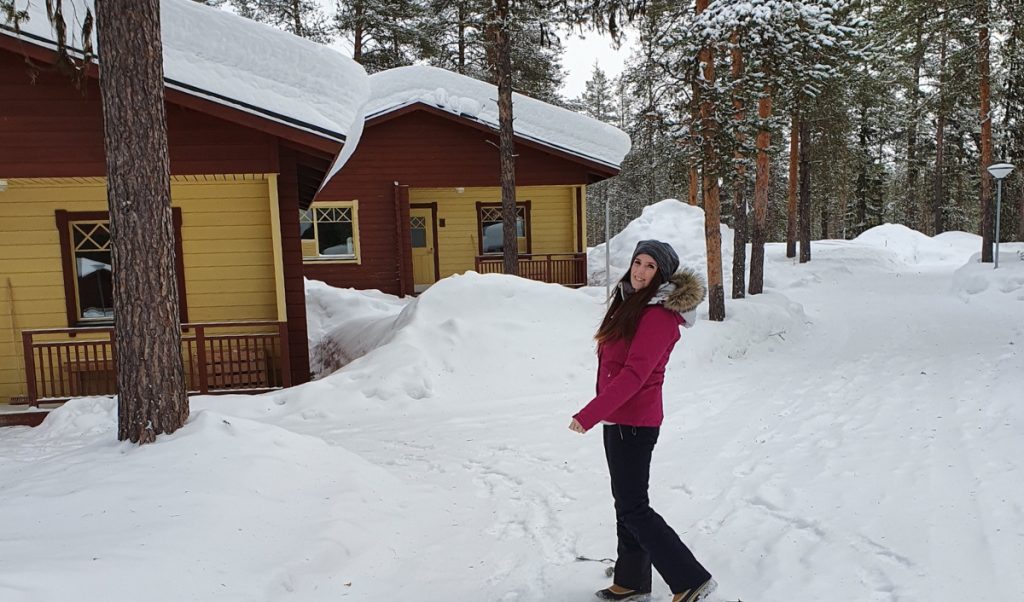
What you wear in Lapland is going to matter. The key is in the layers: something warm against your skin, something insulating over that, and something waterproof or windproof on the outside.
You’ll also want to avoid anything too tight. It might sound strange, but clothes that are too snug can actually make you colder because they restrict movement and reduce the warm air between layers.
Base Layers
Your base layer is the one closest to your skin. If anything, I’d say this layer is the most important. I tend to run cold at the best of times and I settled for two sets of merino wool thermal tops and leggings – one heavy weight and one mid-weight.
A good synthetic fabric will also work, though Merino Wool tends to be warmer. Synthetic is good for high-exertion activities and wicking moisture.
I would definitely avoid cotton for this layer. Cotton holds moisture, which isn’t what you want when you’re walking through sub-zero temperatures, going in and out of heated buildings, or doing outdoor activities. Once it gets damp, it’ll make you feel colder very quickly.
I was in Finnish Lapland for 4 full days and two sets of thermals were enough. If you’re planning on a longer trip, you’ll likely need more.
Shop for snow worthy base layers here!
Mid Layers
Your mid layer is there to keep the warmth in. Fleece jumpers, wool jumpers, insulated tops and lightweight down jackets all work well.
This is the layer you can adjust depending on the day. If you’re just walking around Rovaniemi or visiting Santa Claus Village, one warm mid layer should be enough under your coat. If you’re heading out at night for the Northern Lights or sitting still on a sleigh ride, you’ll probably want an extra one. In this scenario, I tend to wear this thin fleece over my base layer, and this warmer fleece over that.
I like to pack a mix and match of layers rather than packing a load of bulky jumpers. Winter clothes take up a ridiculous amount of space, so anything that works for both activities and evenings is a win for me.
Find the right fleece for your trip here!
Outer Layers
Your outer layer needs to protect you from snow, wind and wet. I do have this ski jacket, which I’ve used a few times for snowy weather, but recently I’ve opted for an insulated down jacket with a light waterproof jacket on top. I guess it’s down to personal preference, as both options work. I’m just a layers girl more than anything else!
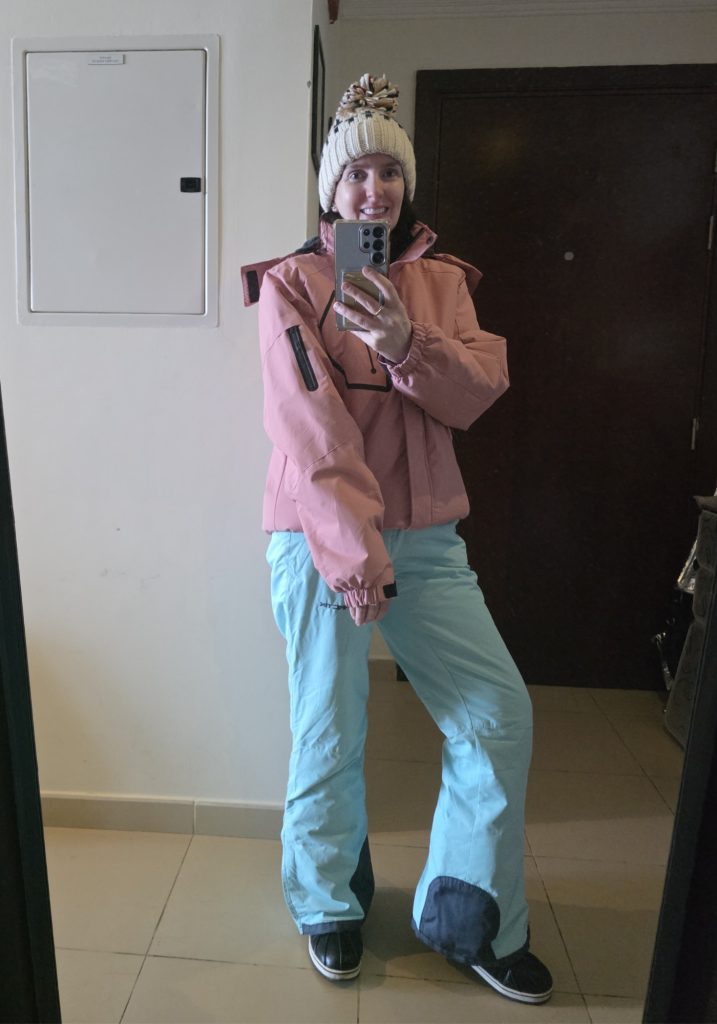
Let me just say, either of the above two options are much better than a fashion coat, even if the fashion coat looks lovely in the hotel mirror.
Search for winter jackets here!
For your bottom half, waterproof trousers or ski trousers are really useful (I’ve worn these Arctix ski trousers in Lapland and Antarctica and they’ve kept me warm – they may be cheap, but they’re good quality).
Jeans are not ideal in Lapland winter. They don’t keep you particularly warm, they’re super uncomfortable when damp, and they take ages to dry.
Socks
Do not underestimate the socks. Cold feet can ruin your day faster than almost anything else.
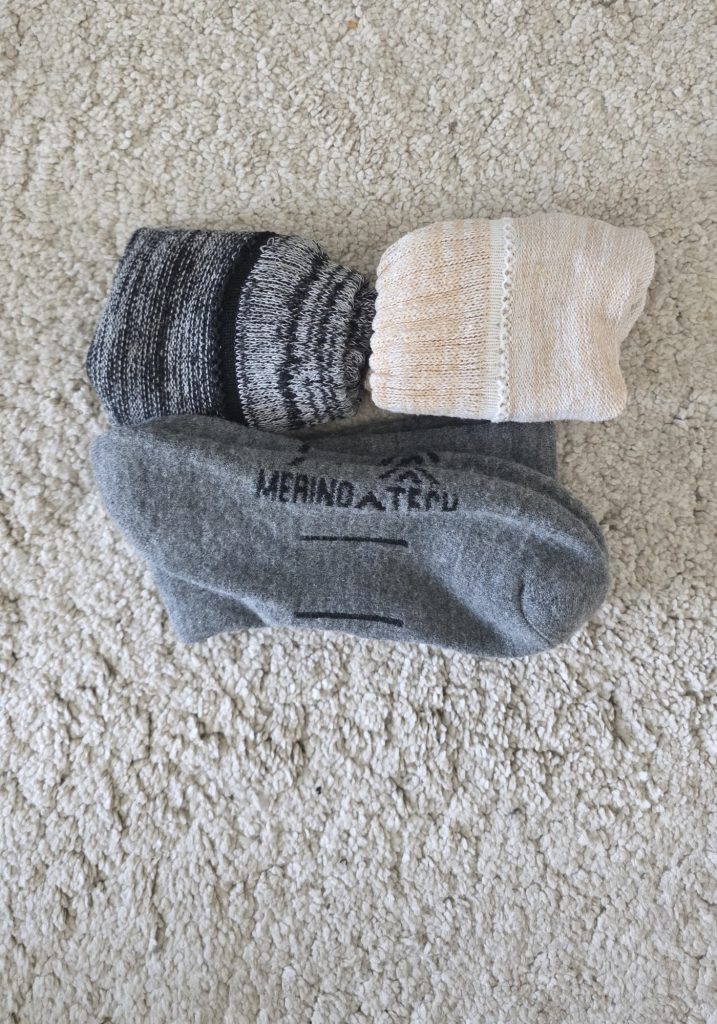
Again, Merino wool socks or good thermal socks are best. I tend to wear thin liner socks underneath as my feet get cold easily, but I wouldn’t cram your feet into your boots with too many layers. If your boots are too tight, your circulation won’t be great, and your feet may end up colder (I did start to feel some numbness after wearing some tight ski boots…).
Find the right socks for you here!
Winter Boots
A good pair of winter boots is one of the most important things to wear in Lapland. You’ll want something waterproof, insulated and comfortable, with proper grip for snow and ice.
If you already have a pair of waterproof hiking boots, these might work for you. I did trudge through snow on the Kilimanjaro’s summit with my Columbia hiking boots.
If you’re buying new boots, make sure you wear them in before you travel. Lapland is not the place to discover your boots rub after ten minutes.
Shop for the perfect pair of winter boots here!
Gloves and Mittens
Mittens are usually warmer than gloves because your fingers stay together, but gloves are more practical for taking photos, using your phone or adjusting zips.
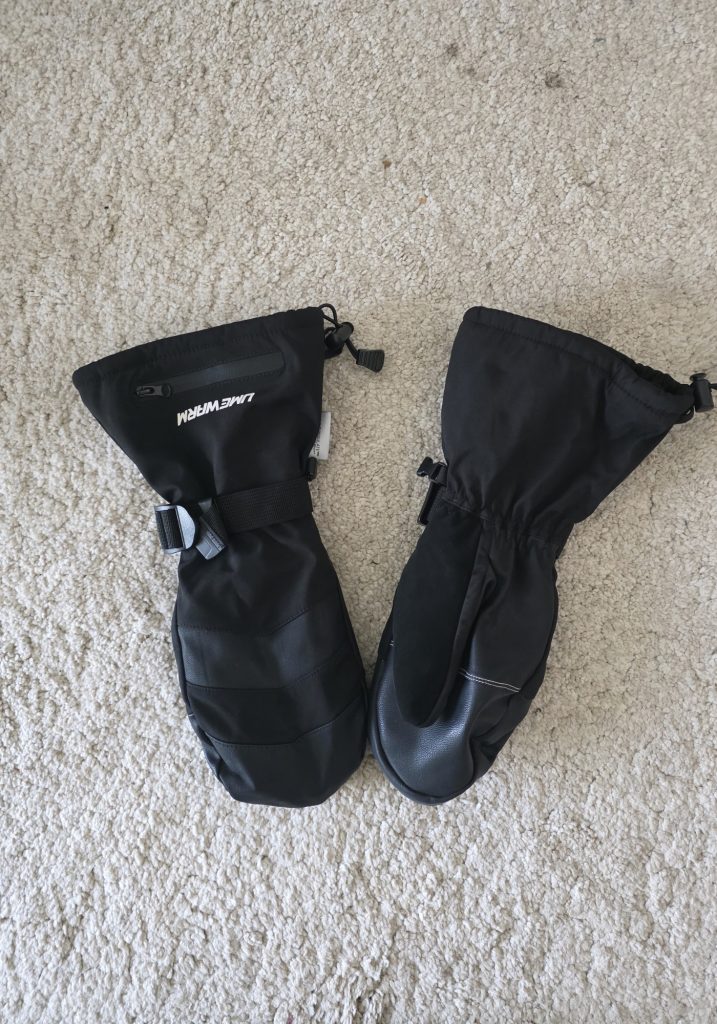
The best option is to bring both: thin gloves or liners for when you need your hands free, and proper insulated mittens to go over them when it’s really cold. These are the waterproof mittens I had and they were definitely needed for snow activities.
Want to know how I organise my suitcase? Compression packing cubes are next level!
Hats, Scarves and Neck Warmers
A warm hat is essential, ideally one that covers your ears properly. This is actually where you can bring the fashion or cuteness – with this adorable fleece bobble hat with ears!
A neck warmer or snood is more practical than a loose scarf, especially when you’re scooting through a forest on a snowmobile.
Swimwear
Yep, you read that right!
Saunas are a massive part of Finnish culture, and many hotels, cabins and activity providers have one, so you’ll want to have your swimsuit with you even if you’re not 100% sure you’ll use it.
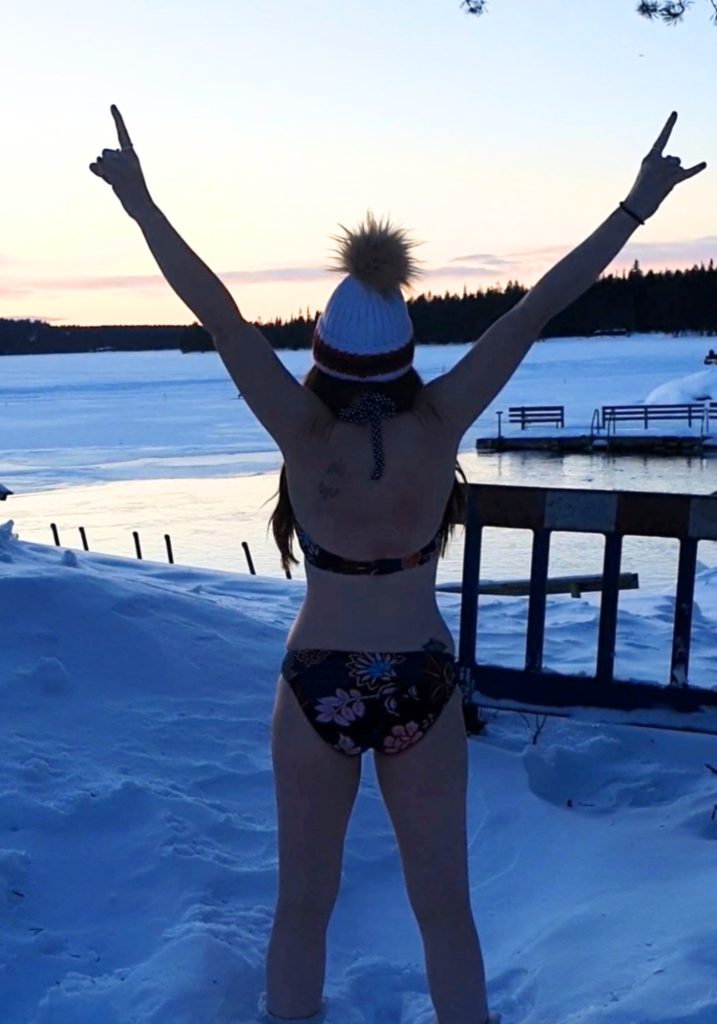
Except you definitely should.
And after you use the sauna, you’ll certainly want to take an ice dip – it’s an unwritten law you’ve got to try when in Lapland!
I also recommend bringing a small wet bag for keeping wet swimwear separate from the rest of your things afterwards.
Accessories to Bring to Lapland
I know clothes are probably at the forefront of your mind when thinking about packing for Lapland, but there are a few more essentials needed.
Hand warmers are a life-saver, especially for Northern Lights tours, husky sledding, reindeer sleigh rides. You can pop them into your gloves, pockets or boots, and keep your hands toasty warm when the temperature drops.
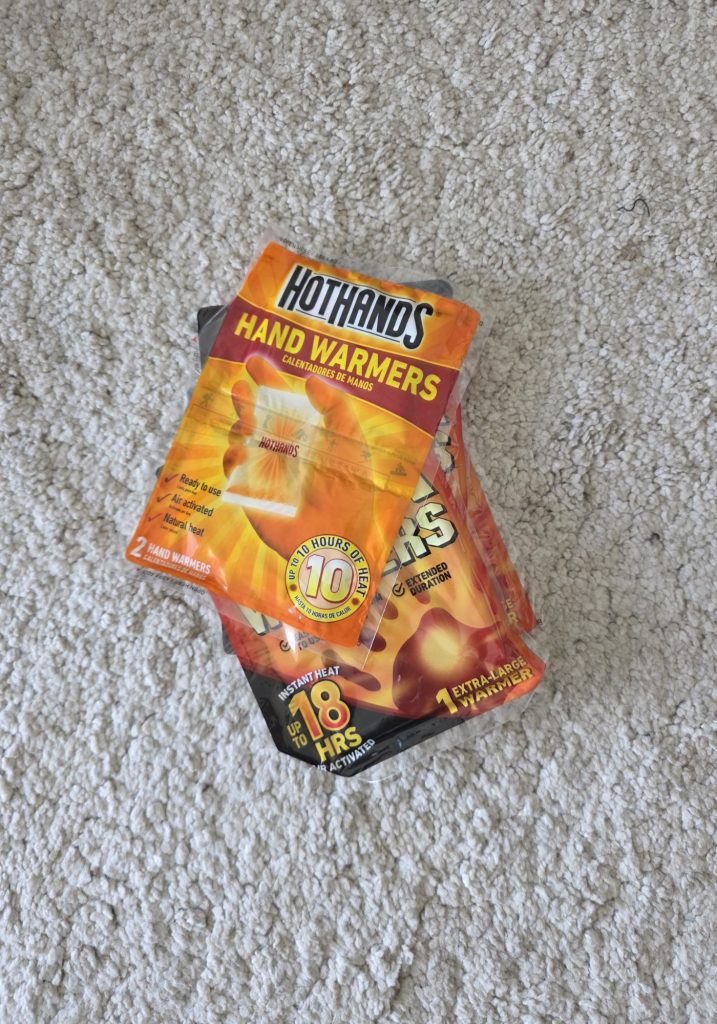
Not to brag, but I was quite popular with my group for having spare Hot Hands with me.
You’ll also need sunglasses, even in winter. Snow is surprisingly bright during the day, especially if the sun comes out, and you won’t want to spend half your trip squinting.
I’d also bring:
- a small day bag
- a reusable water bottle
- tissues
- lip balm for your coat pocket
- spare socks
- spare gloves
- a few snacks for longer tours or transfers

Why I Use Airalo eSIM When Travelling
I’ve started using Airalo on most of my trips now, mainly because it removes the hassle of sorting out data when I arrive in a new city.
It’s a digital SIM card, meaning I don’t need to insert anything into my phone (unlike local SIMs). I just need to install the eSIM before I travel and as soon as I land, I’ve got data.
Here’s what I generally use it for:
• Google Maps
• Checking train and bus times
• Booking activities or looking up opening times
It’s not at all complicated to set up. You buy a data plan in the app, follow a few steps to install it, and then switch it on when you arrive.
Tech and Camera Gear to Pack for Lapland
Cold weather can be a bit brutal on batteries, so don’t be surprised if your phone or camera drains faster than usual. And you definitely don’t want that when you’re out trying to photograph the Northern Lights in the middle of the night.
A power bank is one of the most important things to pack. Keep it in an inside pocket if you’re out in very cold temperatures. I actually put mine inside a spare sock to keep it from freezing The same goes for spare camera batteries.
If you’re hoping to take proper Northern Lights photos, bring a tripod. You don’t need anything huge, but you’ll want something steady enough for long-exposure shots.
If your phone isn’t great in wet weather (I’m talking iPhone / Samsung rivalry here), I recommend one of these waterproof pouches to keep it in.
Of course, don’t forget your usual chargers, spare batteries, an SD card to make sure you don’t out of space and a universal travel adaptor (in case your chargers don’t work with European sockets).
I actually had to borrow a lens cloth at one point when my camera screen fogged up. This happens when going from extreme warmth to extreme cold or vice versa. So you might want to pack one or two in your case.
Toiletries and Skincare for Lapland
Winter in Lapland can be really hard on your skin. You’ll be going between freezing outdoor temperatures and warm, dry indoor heating, which is a lovely little combination if your skin has a flair for the dramatics.
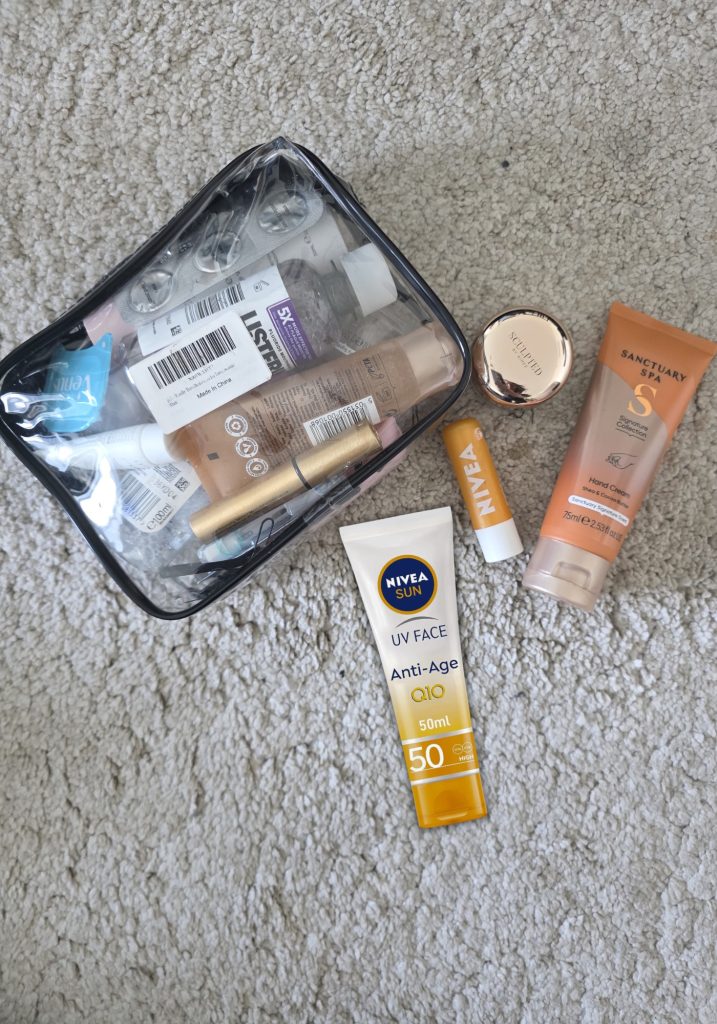
Bring a good moisturiser, lip balm and hand cream. I always keep lip balm and hand cream in my day bag.
For my moisturiser, I brought this one because of the SPF. It might sound odd for a winter trip, but snow reflects light, and if you’re outside for hours, especially on bright days, your skin still needs protection.
And don’t forget your personal medication! It may be difficult to find a pharmacy that stocks your usuals in the middle of Lapland.
FOR PEACE OF MIND, FIND OUT HOW MUCH IT COSTS TO SAFEGUARD YOUR TRIP
Documents and Travel Essentials
This is the boring-but-important section. But it needs to be said.
Before you travel, make sure you have the key documents you’ll need saved offline as well as in your email.
Bring or save copies of:
- passport
- travel insurance details
- flight details
- hotel booking confirmations
- activity confirmations
- transfer details
- driving licence if renting a car
- bank cards
- emergency contact details
- any medical documents you may need
You’ll also need your driving licence if you want to drive a snowmobile yourself. Unfortunately, if you don’t have it, you may have to settle for being a passenger.
I’d also keep your most important documents in your hand luggage rather than checked baggage. If your suitcase takes its own little holiday somewhere else (it’s happened to us all at some point), at least you’ll still have the essentials with you.
Cheers for reading!
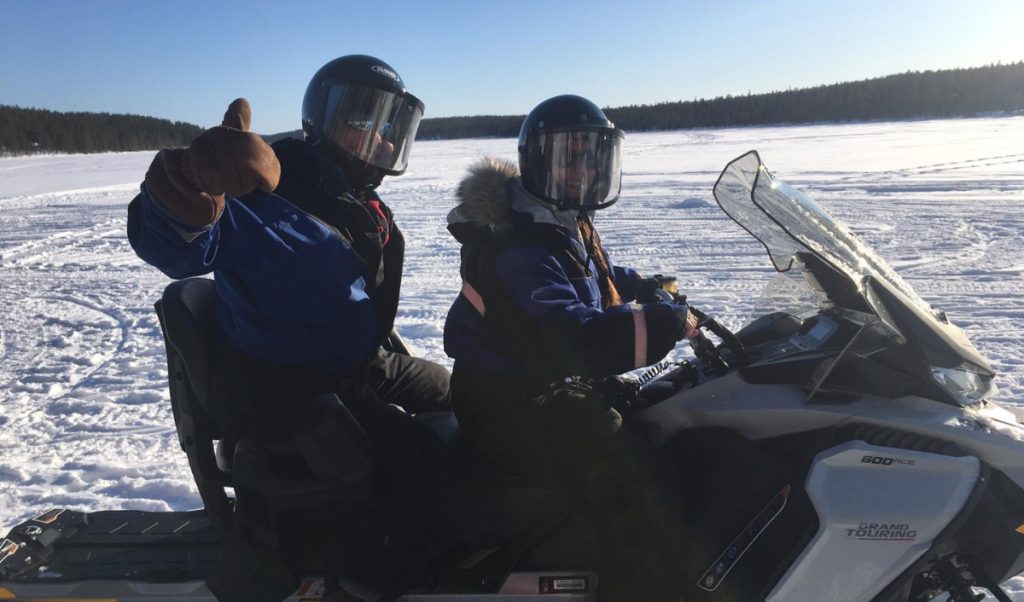
Layers, layers, layers. Bring proper layers, keep your hands and feet warm, and don’t underestimate how cold it can feel once you’re outside for a while.
Need help planning what to to or where to stay in Lapland? Check out this post!