Albania wasn’t always on my radar, and it certainly wasn’t high on my list of European destinations. Big mistake!
When I ended up with a week off work and a longing to explore a few countries on a budget, I headed for Tirana and made it my base for the week.
Up until quite recently, Albania was under a strict communist regime and was largely cut off from the rest of Europe. Even now, I think that’s part of what makes it so interesting to visit.
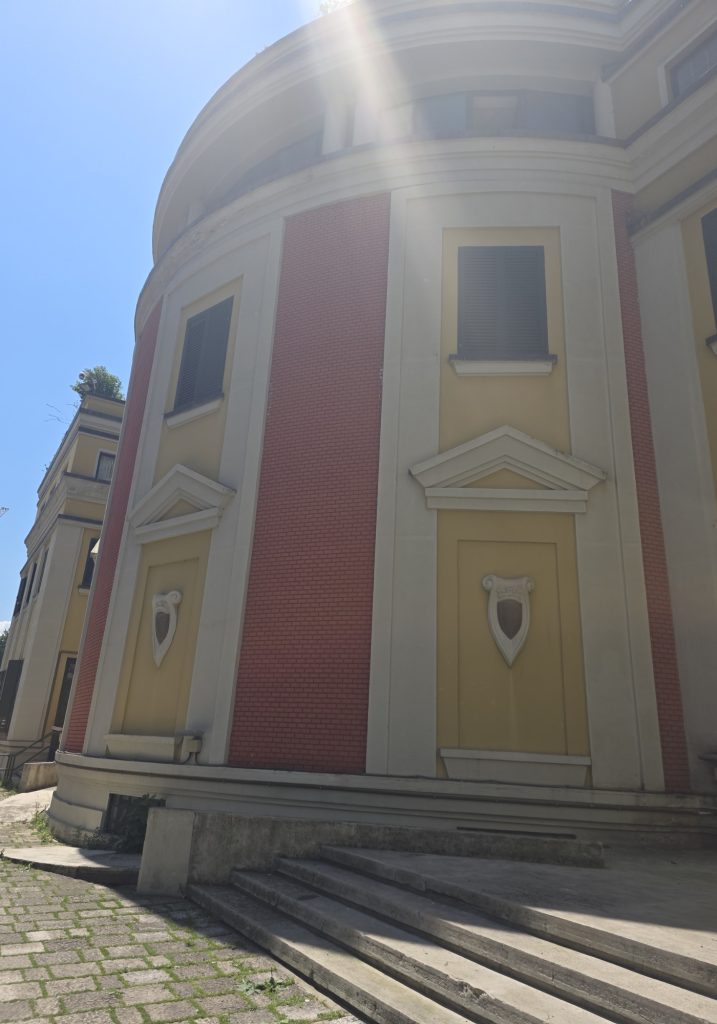
Tirana isn’t like other European capitals. You won’t find old castle walls… In fact, if you try to visit ‘Tirana Castle’ you won’t even find a castle!
But it definitely still has its own charm.
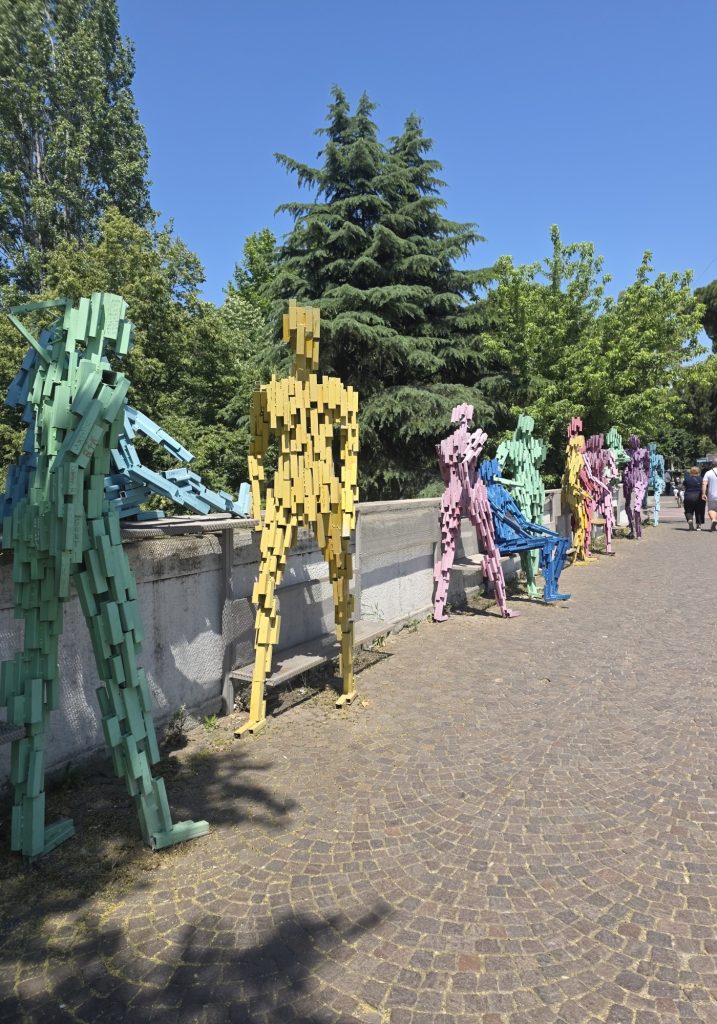
You’ll find colourful buildings, mountain views, strange little bunkers, museums, and even a pyramid. You can visibly see the centre of Tirana changing and their aim is to be part of the European Union by 2030.
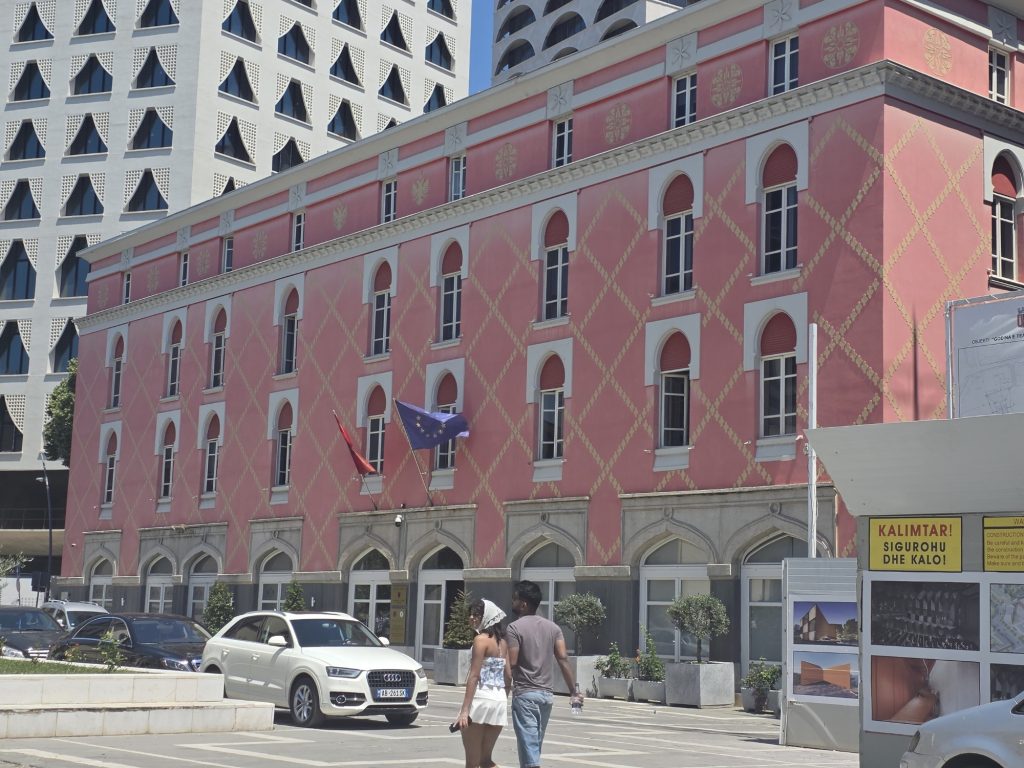
There are plenty of things to do and see in Tirana and I’ve set out my favourite in this blog post.
So if you’re planning a trip to Albania, here are the best things to do in Tirana before everyone else discovers it.
You might also like:
- How To Take A Day Trip From Tirana To North Macedonia
- How To Spend Two Days In Tirana: Best Guide For First-Timers
NO TIME TO READ NOW? PIN FOR LATER!
Full disclosure! See those links below? If you happen to click on one of these and purchase something I recommend, I’ll get a small commission (wohoo). Don’t worry, this is at no extra cost to you (in fact, often I’ll have some discounts you can enjoy!). As an Amazon Associate, I earn from qualifying sales. You can read my full disclaimer here.
19 Things To Do In Tirana Albania
My Top Tirana Tour Recommendation
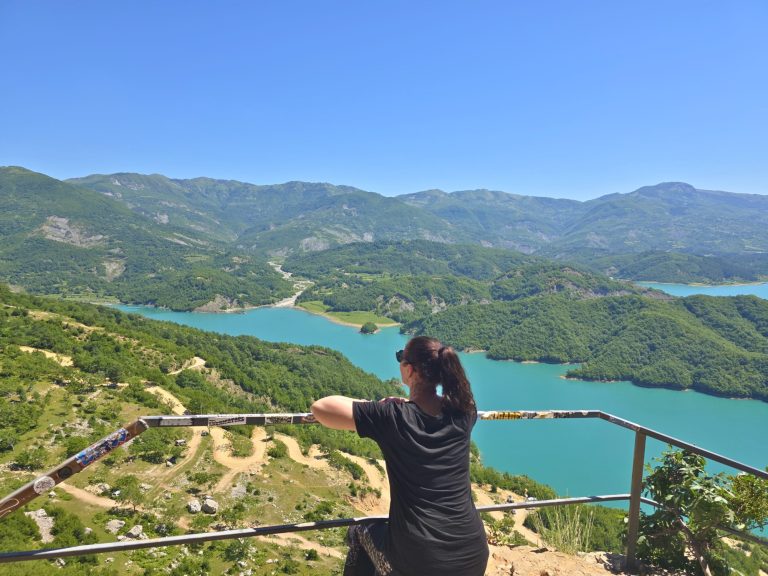
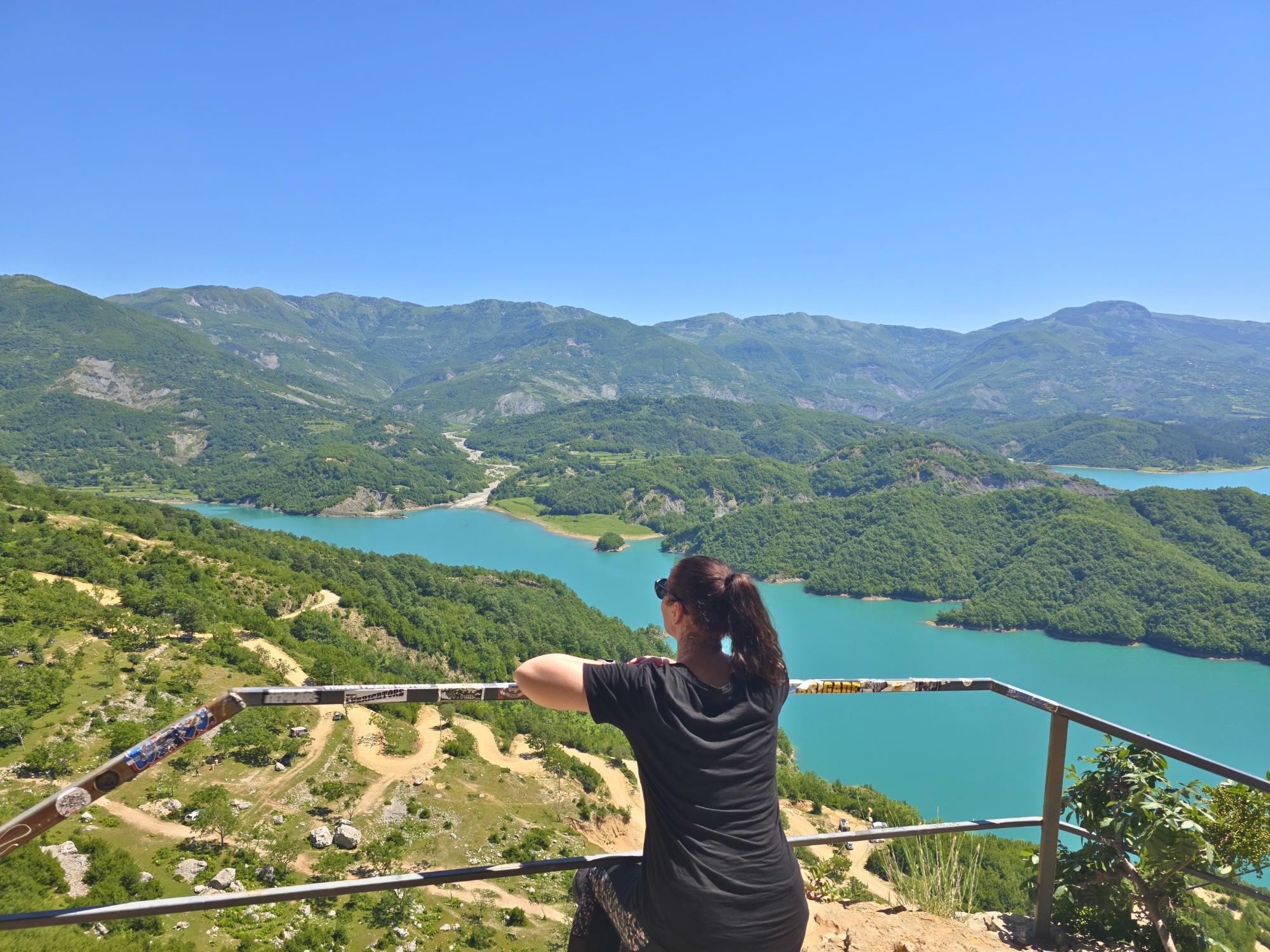
If you only book one tour from Tirana, make it the half-day trip to Lake Bovilla. It’s close enough that you don’t lose a full day, but you still get those gorgeous mountain and lake views that make Albania so worth visiting
1. Take a free walking tour
The first thing I do in any new city is a free walking tour. Now, I say ‘free’ but I would hope you’d tip your guide generously. These guides are so passionate about what they do and deserve every penny.
I actually ended up taking two free walking tours in Tirana – the first was this historic centre tour and the second was a street art and modern architecture tour.
Most of the main spots in Tirana are easy to visit on your own, but having a local guide explain the background makes a huge difference, especially when it comes to Albania’s communist past.
The free walking tours in Tirana start in Skanderbeg Square, in front of the Opera House. Look for the guide under the big OPERA sign with a red Tirana Free Tour badge.
Remember, the tour is free to book, but it’s tip-based, so please bring some cash with you to tip the guide at the end. They usually suggest anything from €15 to $50.
I’d try to do this on your first morning in Tirana if you can. It gives you a much better idea of how the city is laid out, and that way, you can make your way back to places you want to spend more time at later.
2. Stroll around Skanderbeg Square
Skanderbeg Square is the main square in Tirana, so you’ll likely end up here pretty quickly, especially if you’re taking a walking tour.
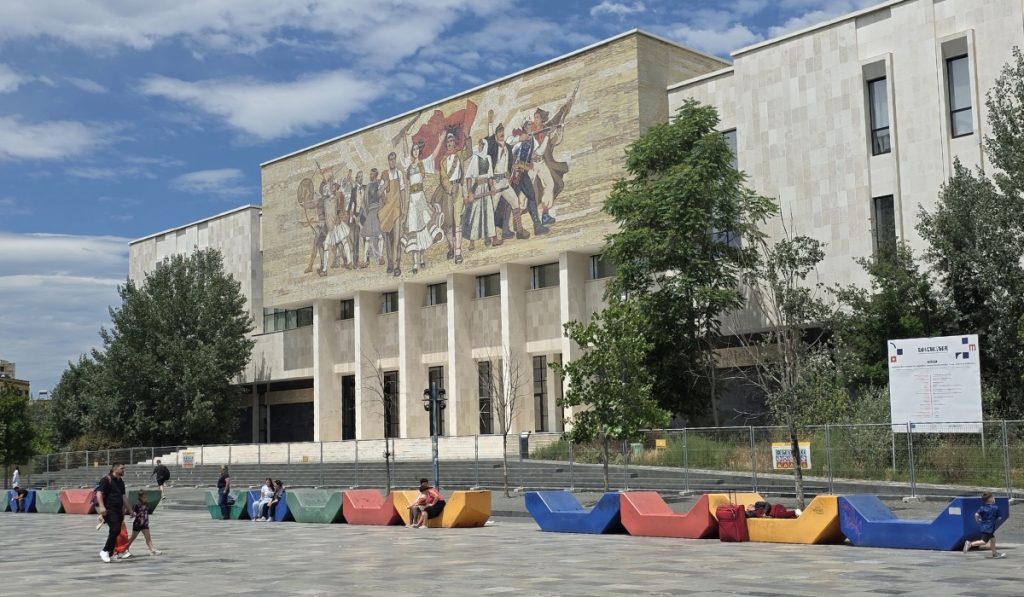
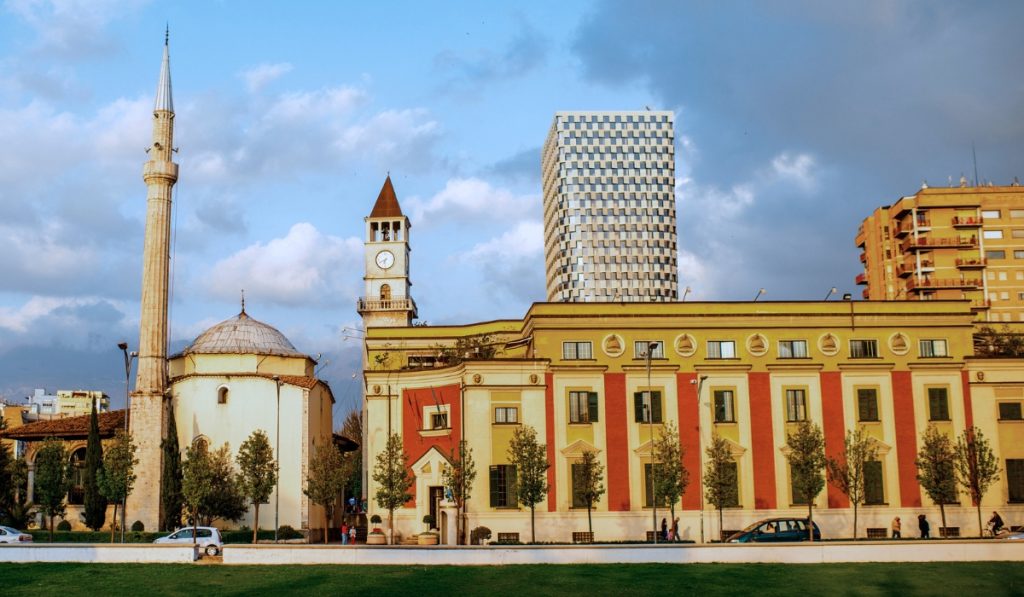
It’s a huge open space right in the centre of the city, surrounded by some of Tirana’s most important buildings, including the National History Museum, the Opera House, Et’hem Bey Mosque and the Clock Tower.
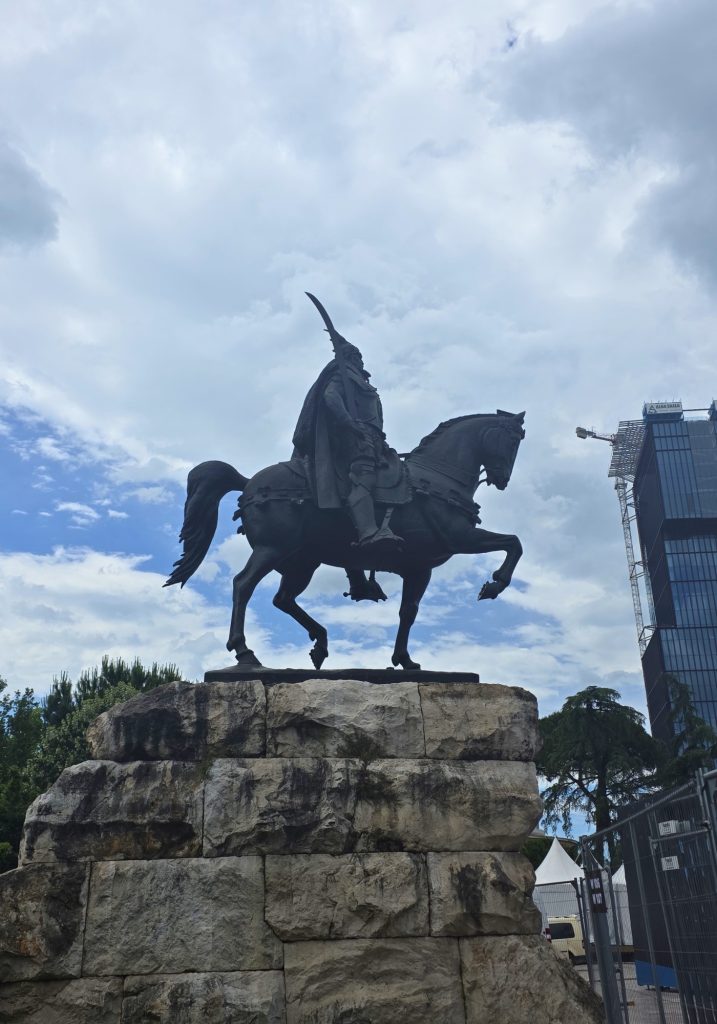
The square is named after Gjergj Kastrioti Skanderbeg, Albania’s national hero, whose statue sits right in the middle – he’s the guy on the horse.
Head back in the evening if you’re staying nearby. The square is lit up, there are often people walking around, and it’s a nice place to see a bit of local life.
They often have things going on in the square too. When I was there, they were setting up for an international Padel tournament, as well as a stage for a festival. Unfortunately, I was leaving Tirana before both started, but I did get to see some of the padel players (padelers?) practicing.
3. See Et’hem Bey Mosque
Et’hem Bey Mosque sits right beside Skanderbeg Square. It’s quite small, but it’s still one of the most important buildings in the city.
Construction started in the late 1700s and finished in the early 1800s, and the mosque is especially known for its painted frescoes.
What makes it most interesting is what it represents. During Albania’s communist period, religion was banned and many religious buildings were closed, damaged or destroyed. Et’hem Bey Mosque survived, and when it reopened for prayer in 1991, thousands of people gathered there.
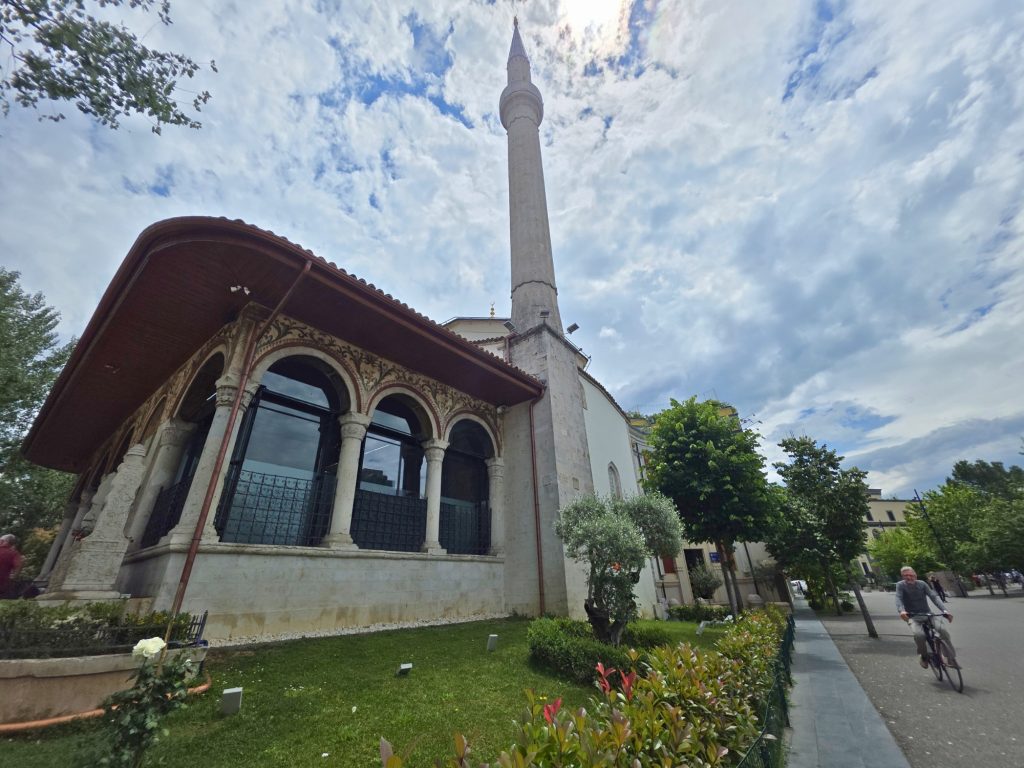
Because of that, the mosque has become more than just a religious building. It stands as a symbol of religious freedom in Albania and the country’s move away from decades of enforced atheism.
You can go inside, but remember this is still an active mosque, not just a tourist attraction. Entry is free, although donations are welcome.
You’ll need to remove your shoes before entering, and you should dress modestly (women will need to cover hair and wear long bottoms). I’d avoid visiting during prayer times, especially on Fridays.
4. Climb the Clock Tower
Right beside Et’hem Bey Mosque is Tirana’s Clock Tower, standing 35 metres tall.
You can climb to the top for views over Skanderbeg Square, which makes it a nice quick stop while you’re already in this part of the city.
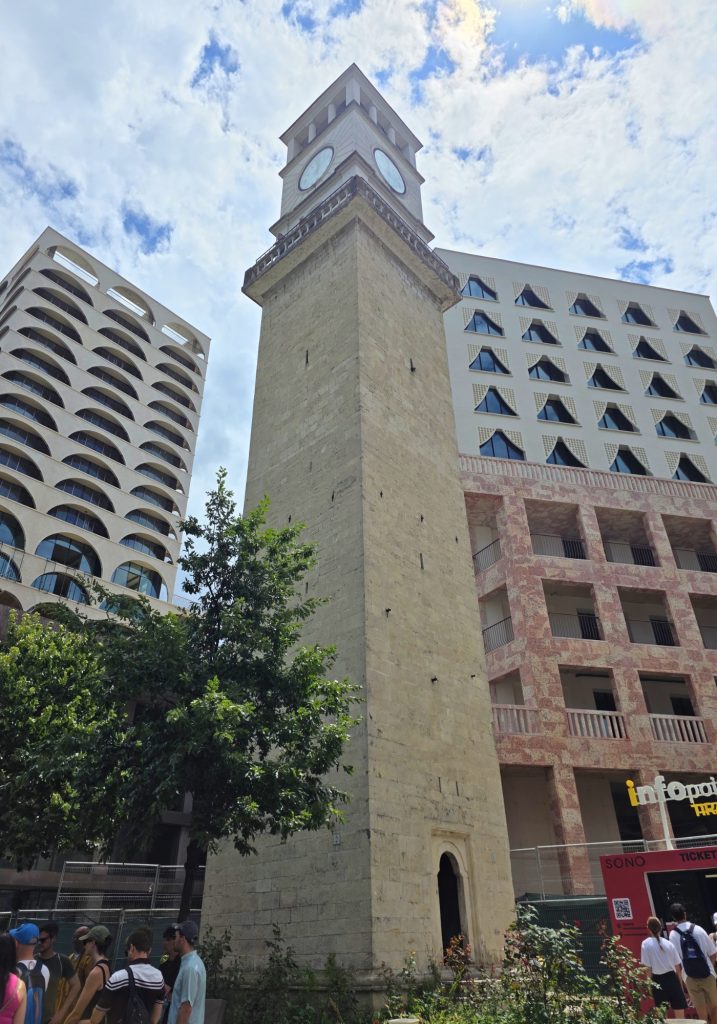
The climb is short – it’s around 90 narrow steps and the staircase is pretty tight, so it may not be your kind of thing. But it’s pretty to look at from the outside too!
Entry is around 200 lek (or €2) and it’s manned by volunteers, so opening hours vary a lot.
5. Explore Bunk’Art 1 or Bunk’Art 2
If you only visit one museum in Tirana, I’d make it one of the Bunk’Art museums.
There are two of them: Bunk’Art 1 and Bunk’Art 2. Both are set inside former bunkers, but they’re not the same museum, so it’s worth knowing the difference before you go.
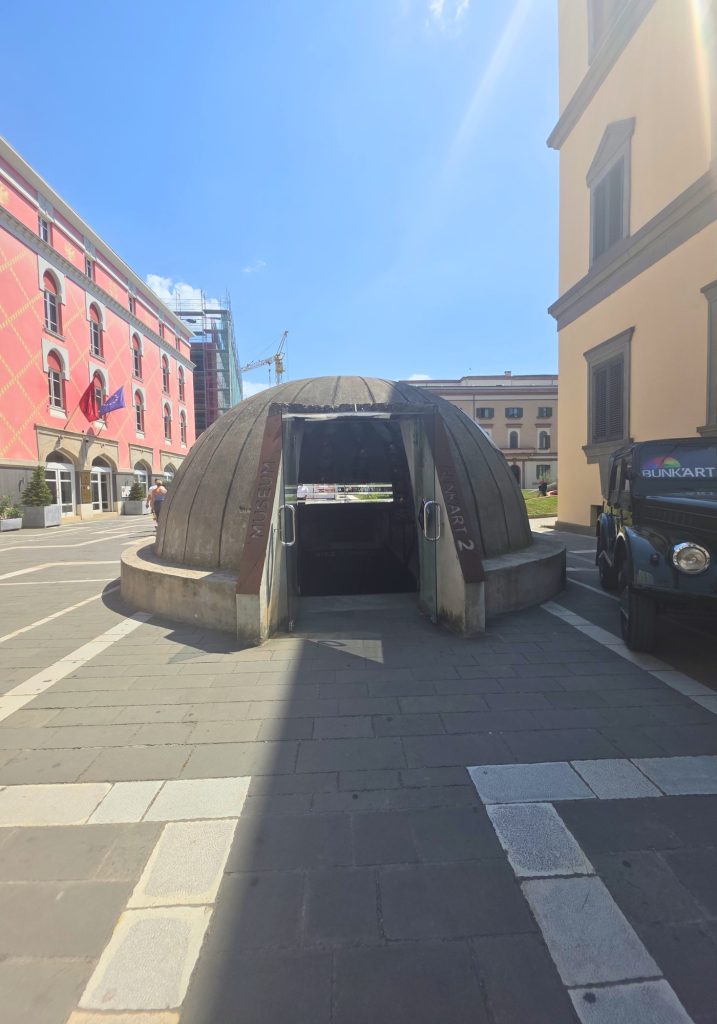
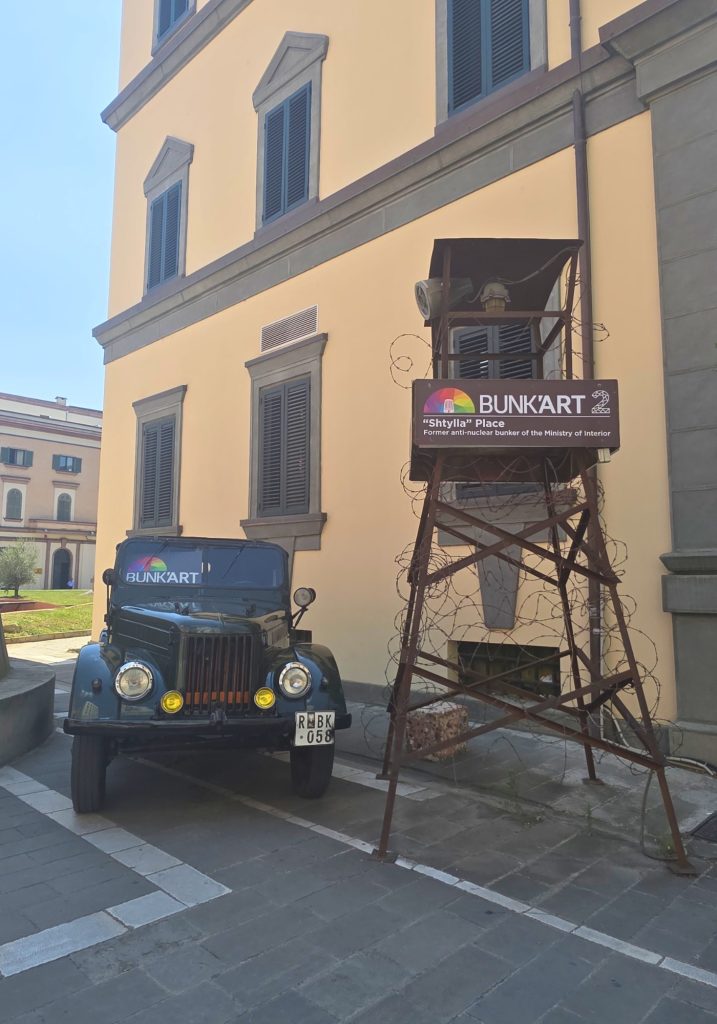
Bunk’Art 2 is the easiest one to visit as it’s right in the centre of Tirana, close to Skanderbeg Square. This one focuses more on the Ministry of Internal Affairs, the Sigurimi secret police and political persecution during Albania’s communist period. If you’re short on time, this is the one to choose.
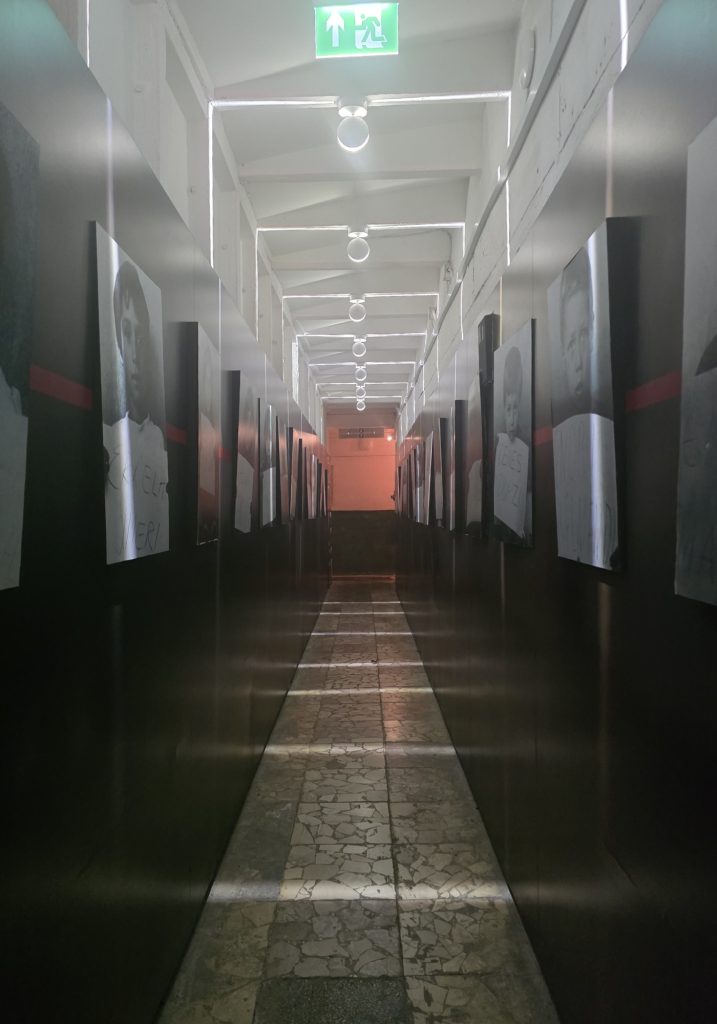
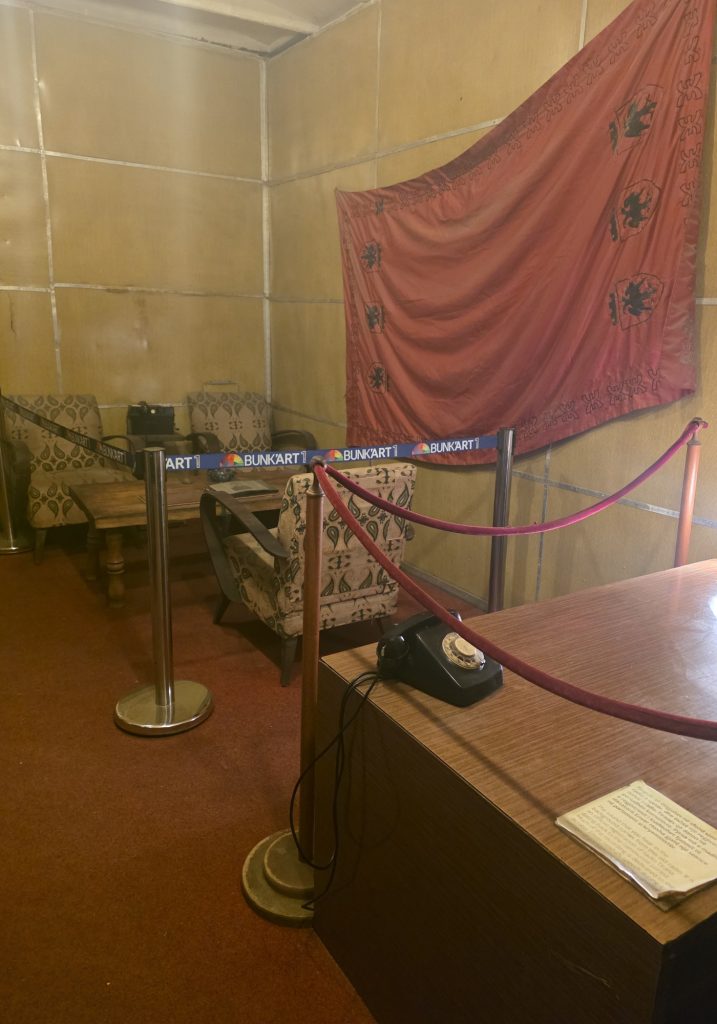
Bunk’Art 1 is a lot bigger and located outside the city centre, near the Dajti Ekspres cable car.
It’s set inside a much larger underground bunker built for Albania’s communist leader Enver Hoxha and other political figures. It covers more of Albania’s communist history and the Cold War period, so it’s a better option if you have more time or you’re already heading out towards Mount Dajti.
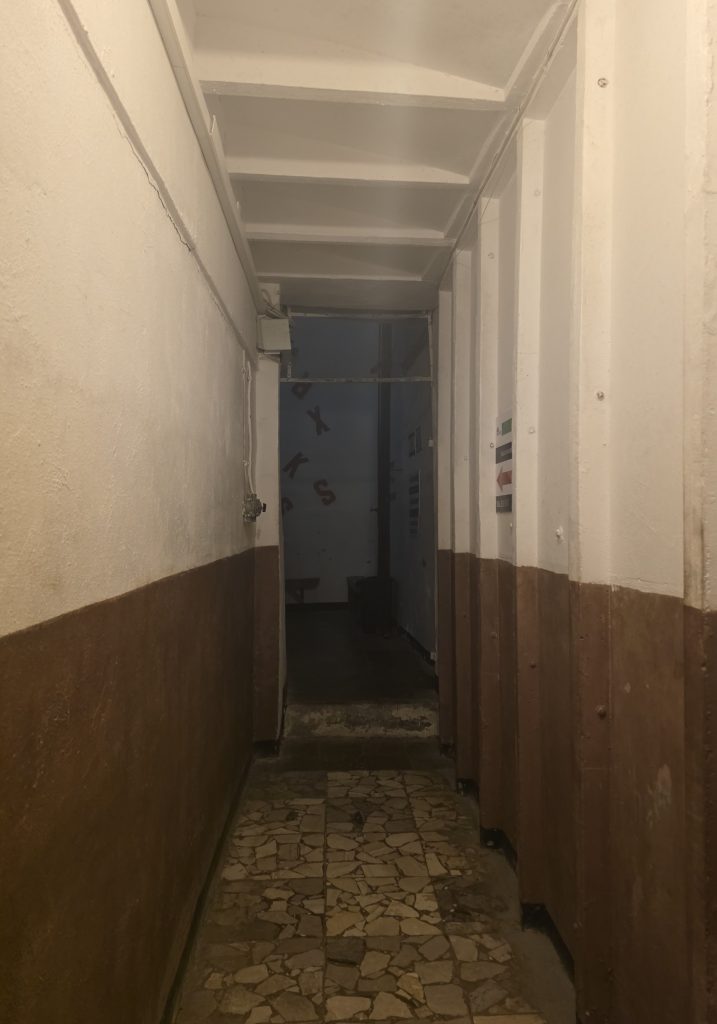
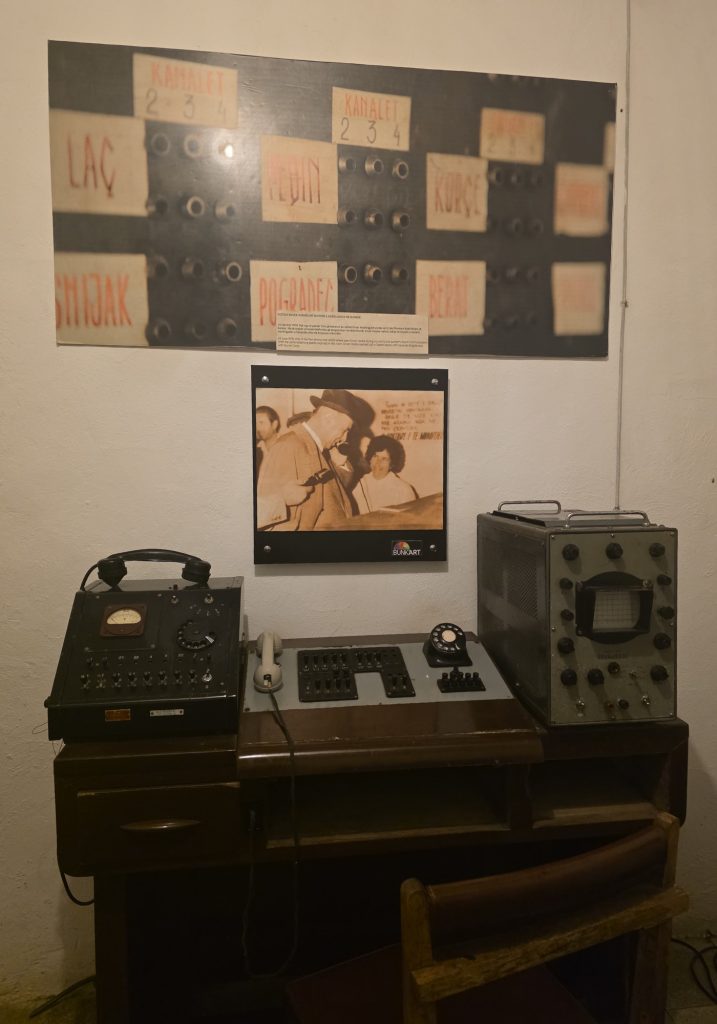
To get to Bunk’Art 1 by public transport, take the blue Porcelani bus from the centre of Tirana, just off Skanderbeg Square and behind the Opera House.
The bus costs 40 lek (just 40 cent!) and takes around 30 to 40 minutes, depending on traffic. You can also take a taxi, but the bus is much cheaper and easy enough once you know which one to look for.
Tickets are 900 lek (€9) for each museum, or you can buy a combined ticket for both Bunk’Art 1 and Bunk’Art 2 for 1,300 lek (€13). The combined ticket is valid for 72 hours, so you don’t need to visit both on the same day.
I recommend bringing a light layer, especially for Bunk’Art 1. I visited Tirana at the end of May when it was super hot outside, but I was freezing underground!

Why I Book With Get Your Guide
I use GetYourGuide for almost all my activities when I’m travelling, mainly for these reasons:
‣ Free cancellation on most bookings: Plans change. It’s good to know you can cancel and get a refund if needed.
‣ Clear, detailed listings: You can see exactly what’s included, how long it takes, where to go, and what to expect before you book.
‣ Verified reviews: Makes it easier to avoid wasting time or money on something that isn’t worth it.
‣ Instant confirmation: Especially useful if you’re booking things last minute.
‣ Mobile tickets: No printing, no collecting tickets, everything is on your phone.
6. Climb the Pyramid of Tirana
One of the more unusual buildings in Tirana – and I say this knowing that there’s a building shaped like the head of Skanderbeg and another with balconies that portray the coastline of Tirana…
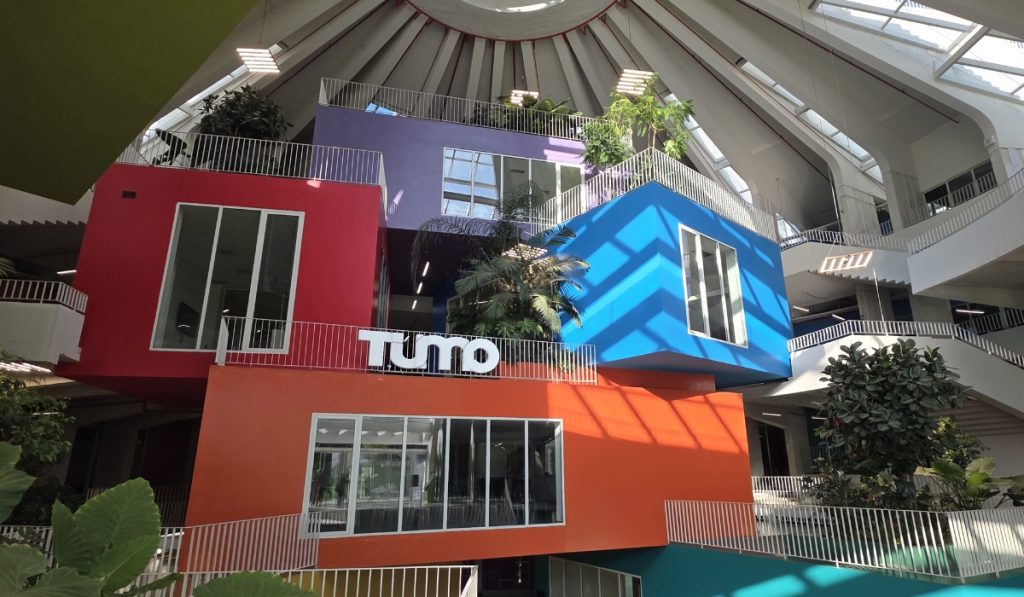
The Pyramid of Tirana was originally built as a museum dedicated to Albania’s communist dictator, Enver Hoxha, which is obviously a very dark part of the country’s history.
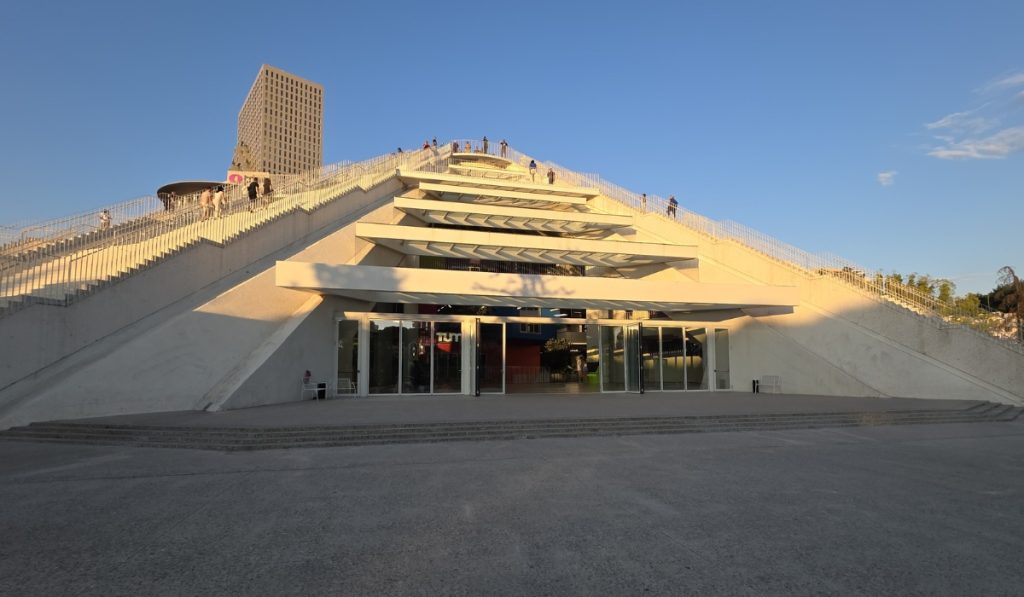
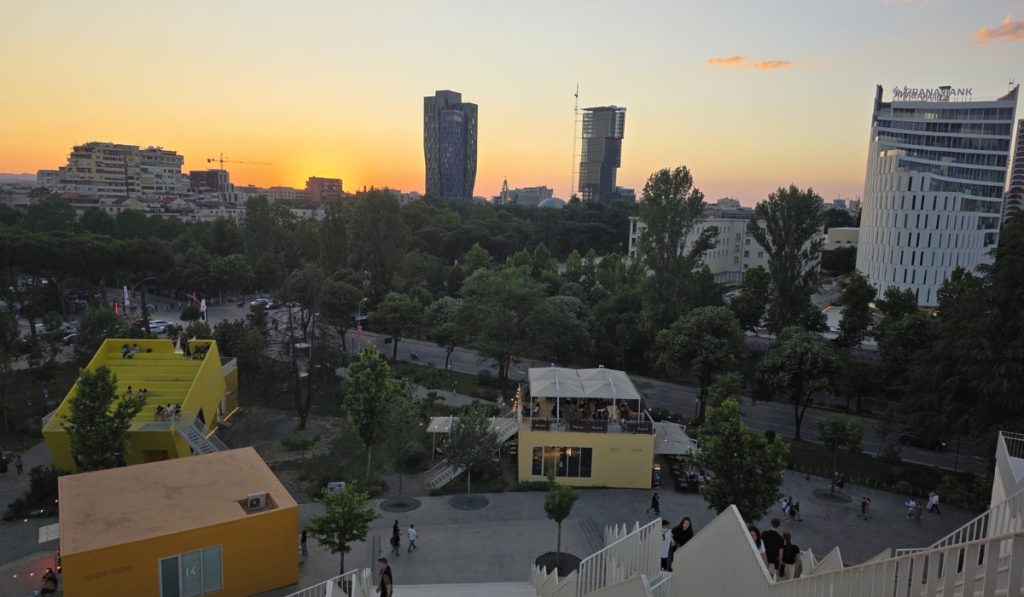
Since then, it’s been used for a mix of things, including as a conference centre and NATO base, before eventually being transformed into the colourful structure you see today. You can now climb the steps to the top for views over Tirana.
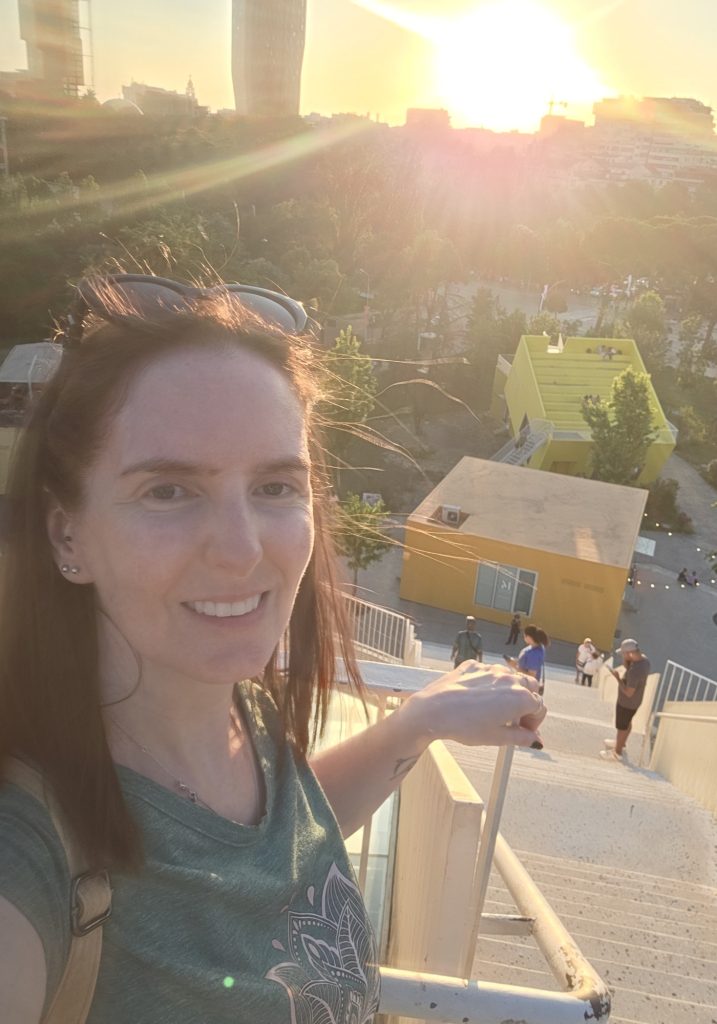
I arrived there for sunset and got a great timelapse video of the sun going down. The views are much better at that time of day, and the building itself looks far more interesting when the light starts to change.
7. Take a day trip from Tirana
One of the best things about using Tirana as a base is how many places, neé countries, you can visit from there.
I spent a week in Tirana and used it to take day trips to Montenegro, North Macedonia and Kosovo, as well as a half day trip to Lake Bovilla. I know that sounds like a lot, but if you’re short on time and want to see more of the Balkans, Tirana actually works really well.
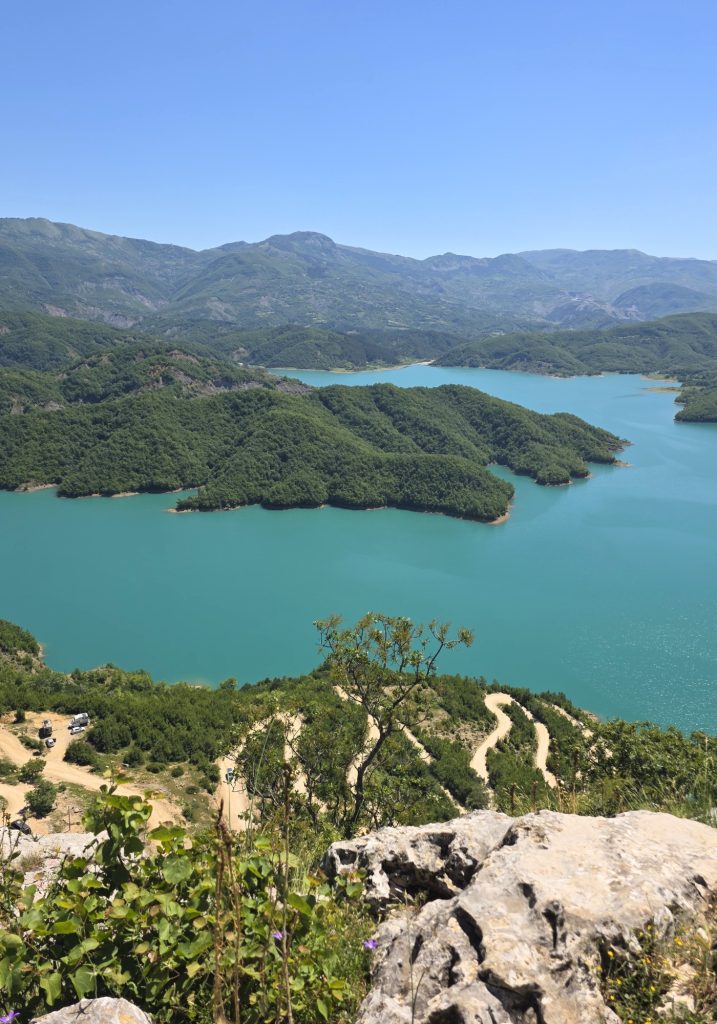
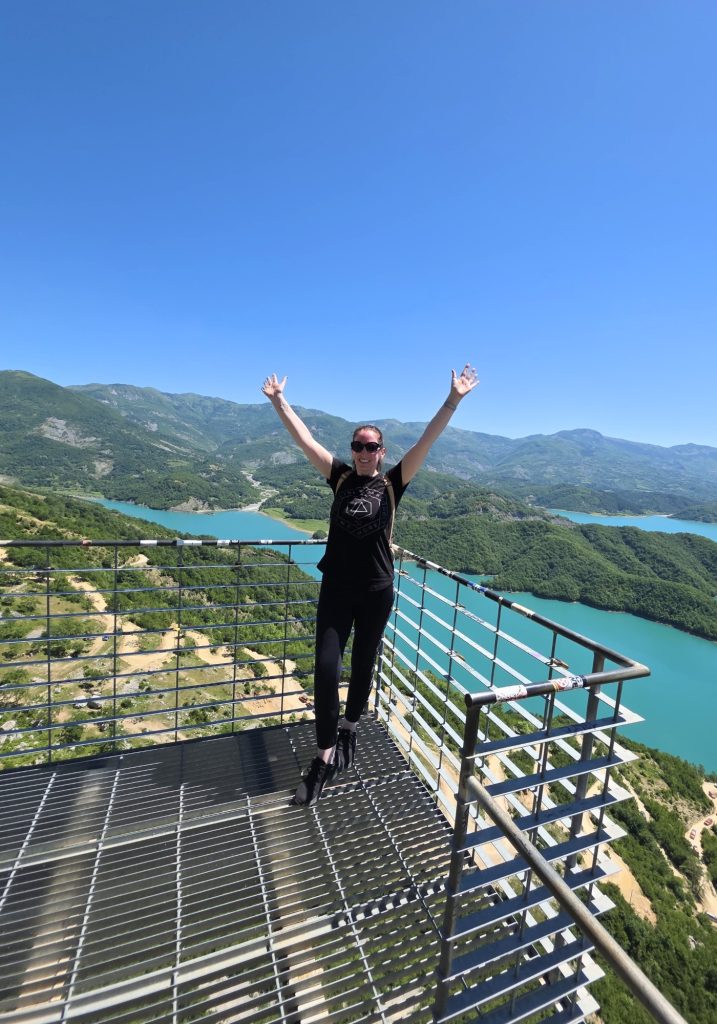
Lake Bovilla is the shortest option if you don’t want a full day out. It will take around 5 to 6 hours to visit the lake, do the short hike up to the viewpoint, refresh at the restaurant, and still be back in Tirana later the same day.
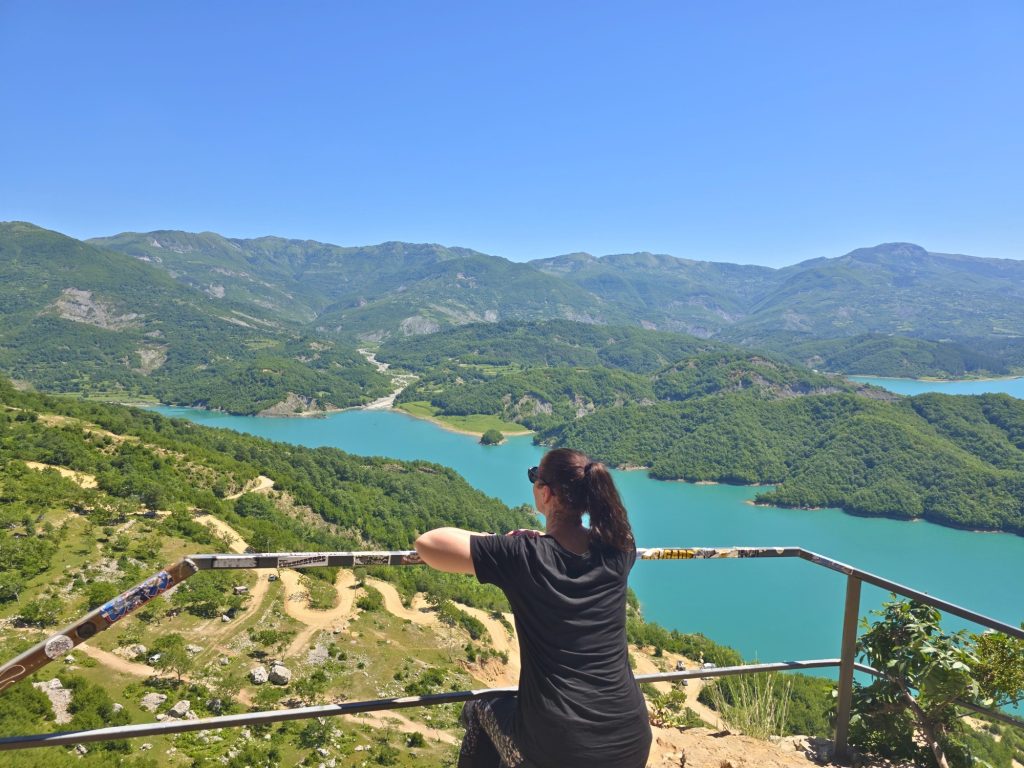
The road up to the lake isn’t great. Ok, that’s an understatement. It’s worse than any of the ‘massage’ roads I’d been on through Africa, so I was glad I went with this tour rather than trying to make my own way there.
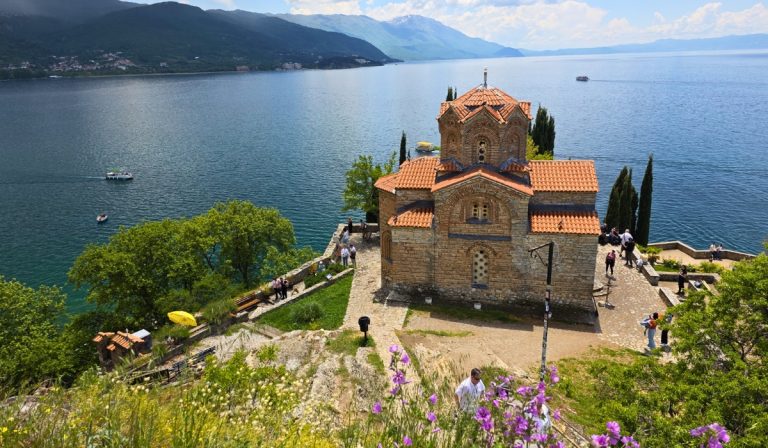
If you’re ok with with longer days, you can also take organised day trips to nearby countries. From Tirana, you can take a day trip to Prizren and Pristina in Kosovo, Ohrid in North Macedonia, or Kotor in Montenegro.
These are long days, especially when border crossings are involved, but I absolutely loved being able to see more countries in the region without switching hotels every night.

Why I Use Airalo eSIM When Travelling
I’ve started using Airalo on most of my trips now, mainly because it removes the hassle of sorting out data when I arrive in a new city.
It’s a digital SIM card, meaning I don’t need to insert anything into my phone (unlike local SIMs). I just need to install the eSIM before I travel and as soon as I land, I’ve got data.
Here’s what I generally use it for:
• Google Maps
• Checking train and bus times
• Booking activities or looking up opening times
It’s not at all complicated to set up. You buy a data plan in the app, follow a few steps to install it, and then switch it on when you arrive.
8. Visit the House of Leaves Museum
The House of Leaves Museum is another place to visit if you want to learn more about Albania’s communist past, but it’s quite different to Bunk’Art.
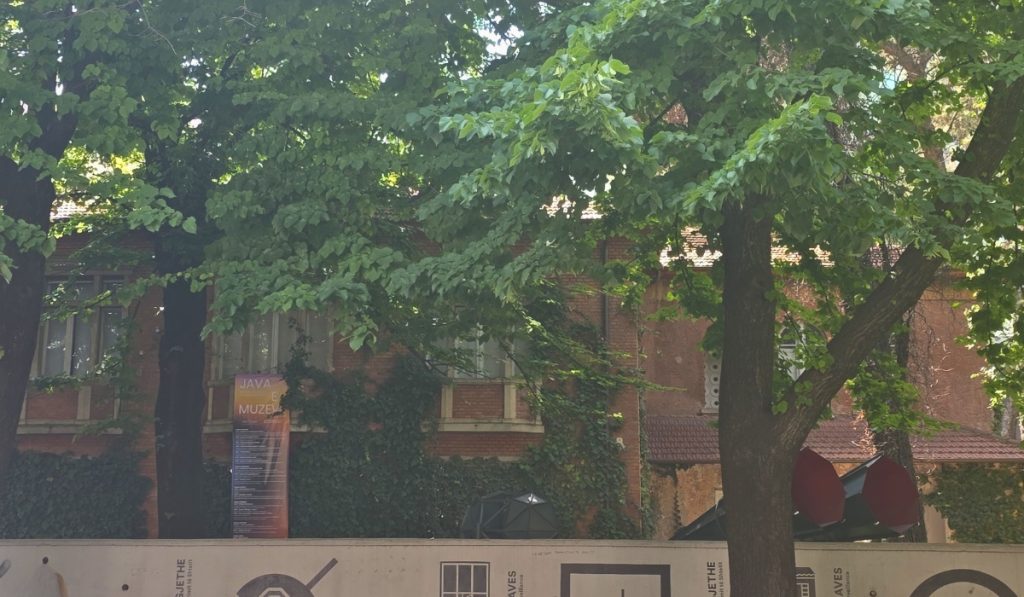
This museum is set inside the former headquarters of the Sigurimi, Albania’s secret police. During the communist period, it was used for surveillance, spying and monitoring people who were seen as a threat to the regime.
Inside, you’ll find old surveillance equipment, recordings, documents and rooms explaining how people were watched, listened to and controlled. It’s pretty heavy stuff, but it’s one of the most important museums in Tirana.
9. Wander around Blloku
Blloku is one of the best areas to spend an evening in Tirana.
It’s hard to believe now, but during Albania’s communist period, this neighbourhood was completely off-limits to ordinary people. It was reserved for the political elite, including Enver Hoxha, whose former villa is still in the area.
Today, Blloku is full of cafés, restaurants, bars and shops.
I wouldn’t say there’s one specific thing you need to do in Blloku. It’s more somewhere to wander, stop for a coffee, get dinner or have a drink in the evening. Tirana has a huge café culture, and Blloku is one of the easiest places to see that.
Fun fact: Albania actually has more coffee houses per capita than any other country!
10. Walk Around the Grand Park of Tirana
Just a stone’s throw south of Blloku, the Grand Park of Tirana, along with the Artificial Lake is a welcome piece of serenity right in the city.
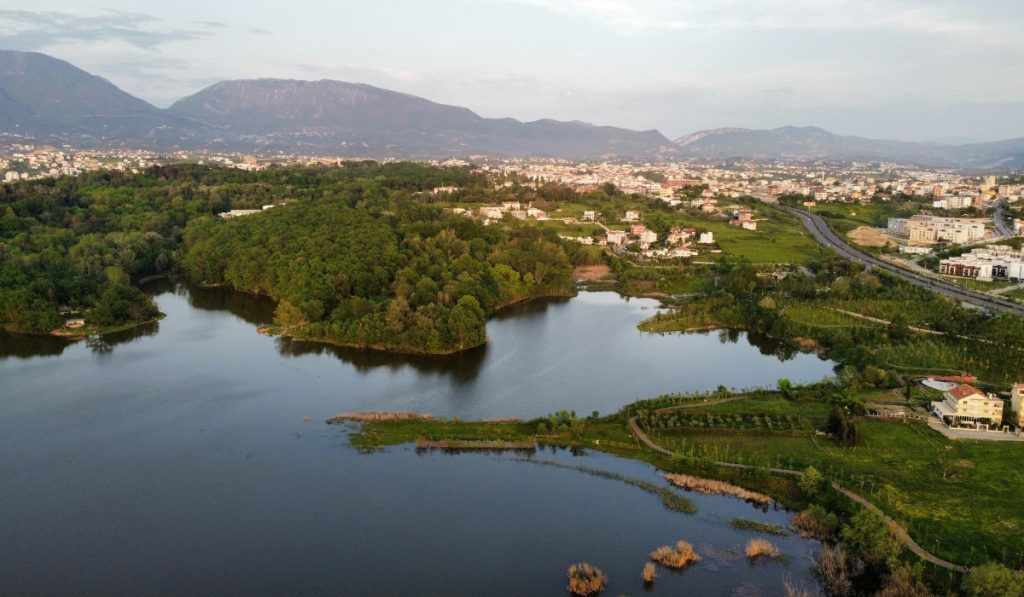
There are trails around the lake for jogging or walking, cafés nearby and plenty of benches if you just want to sit (and do my all-time favourite pastime – people watch!).
If you’re visiting Tirana in the summer, I’d aim for the morning or later in the afternoon. You can find some shade, but it can still get hot during the middle of the day.
11. Take the Dajti Ekspres Cable Car
The Dajti Ekspres Cable Car takes you up Mount Dajti, just outside the city of Tirana. The ride itself takes around 15 minutes. Once you’re at the top, you’ll get views over Tirana and the surrounding mountains, plus there are a few things to do like mini golf, walks and restaurants.
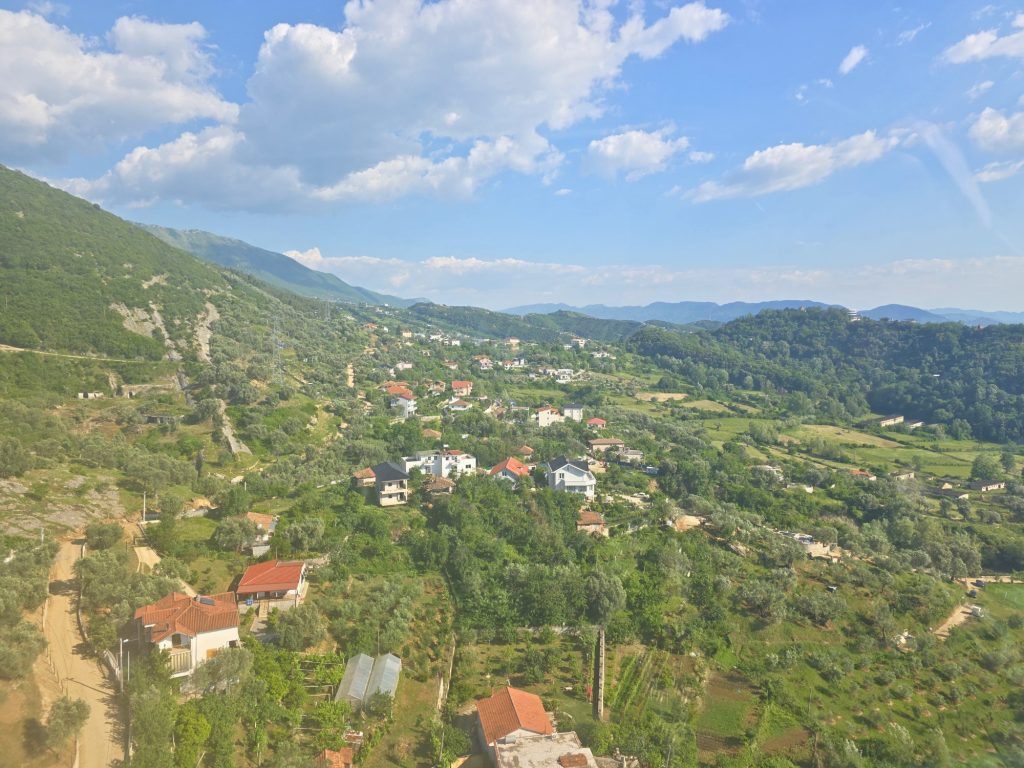
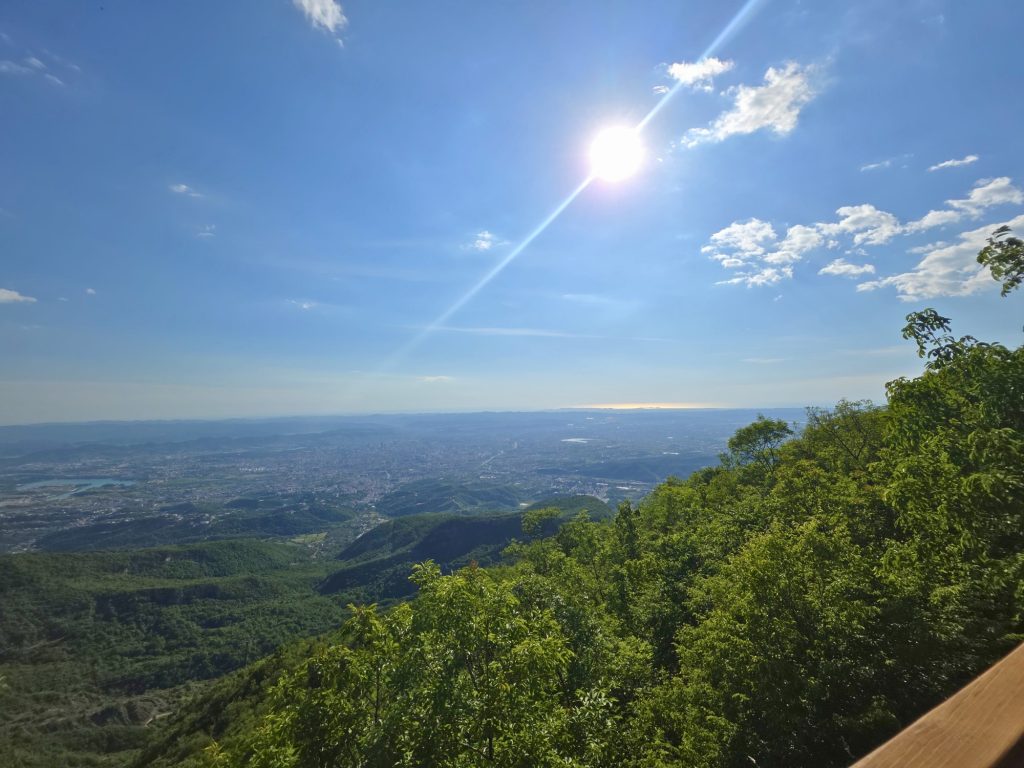
The easiest way to get there is to take the Porcelan bus (same bus you’d take to visit Bunk’Art 1) from the city centre towards the lower cable car station. It’s the last stop, but if you’re visiting Bunk’Art 1 (and I highly recommend combining the two activities), you can get off at the second last stop. You can also take a taxi if you don’t want to deal with buses, but honestly taking the bus was super easy.
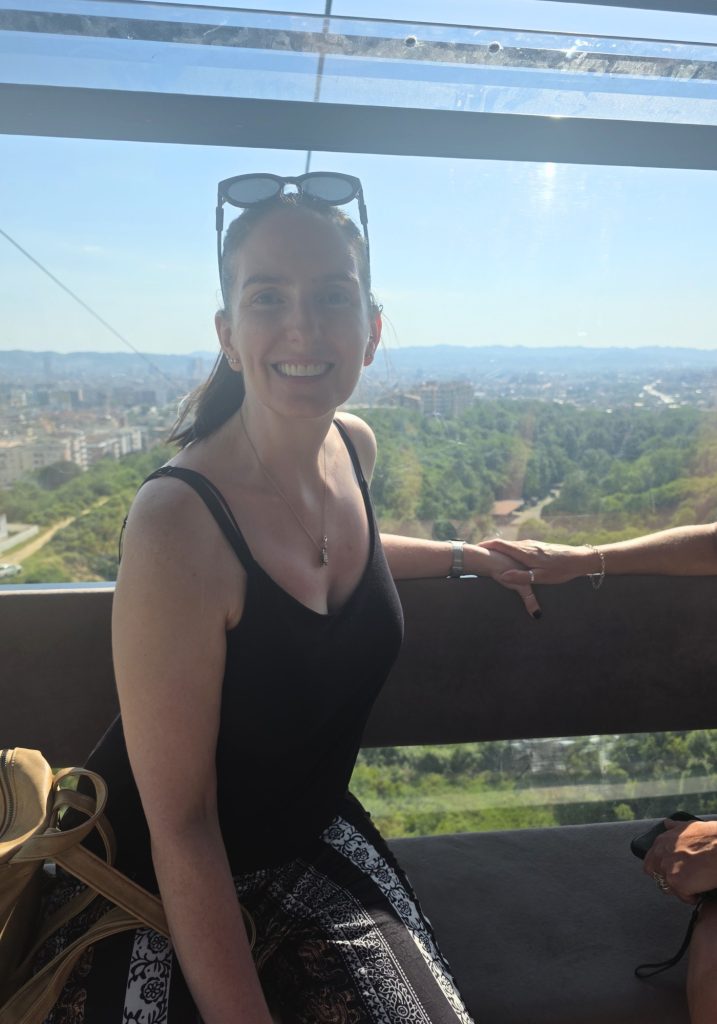
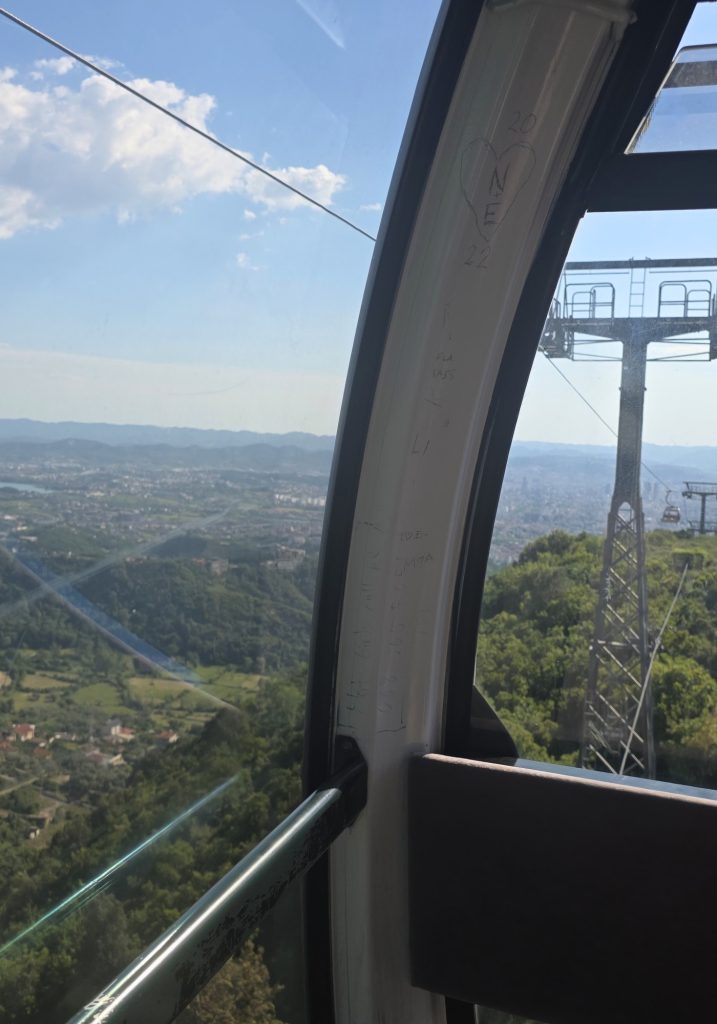
I’m not a fan of cable cars. And yet, I tend to find myself in them wherever I go! I was lucky enough to meet some lovely British girls on the bus who were so kind and looked after me all the way up the cable car. You can see from the above picture one held my hand to keep me calm the entire time!
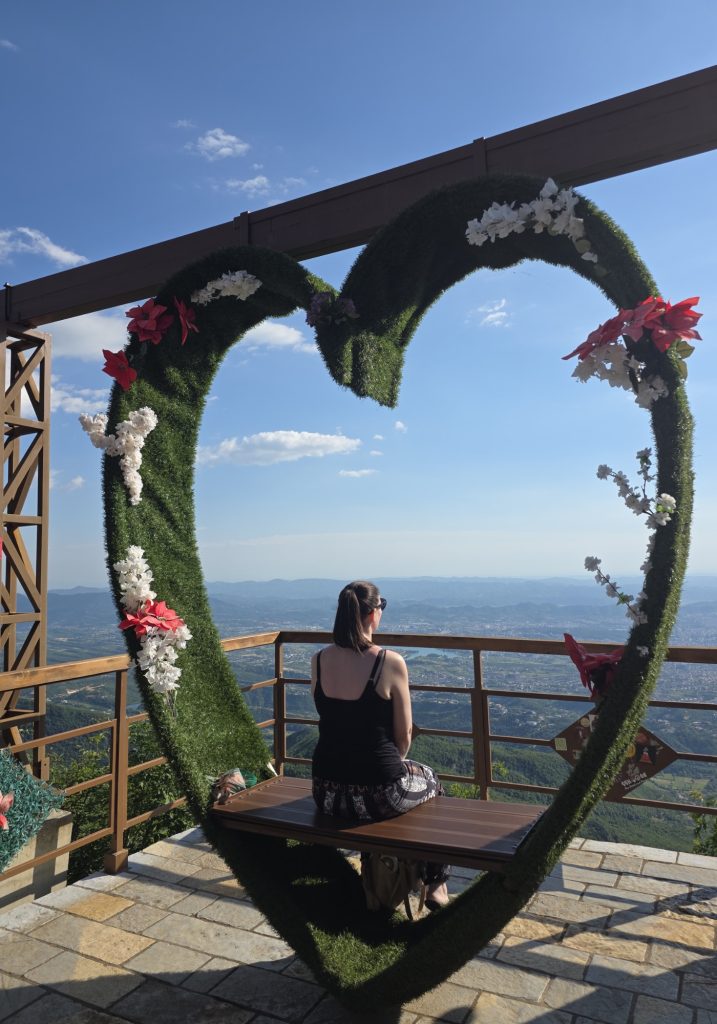
The views were completely worth it though.
12. Visit Namazgah Mosque
Namazgah Mosque, also known as the Great Mosque of Tirana, is one of the newest major landmarks in the city.
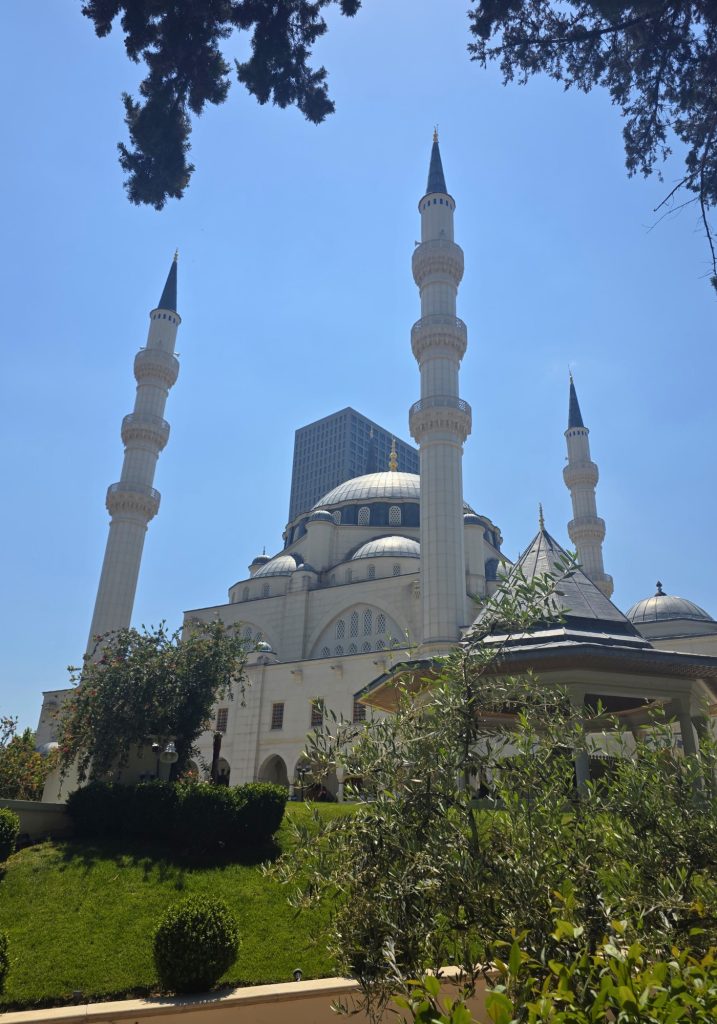
It officially opened in October 2024 and is considered one of the largest mosques in the Balkans. It has four minarets, a large central dome and space for thousands of worshippers, so it’s much bigger than Et’hem Bey Mosque.
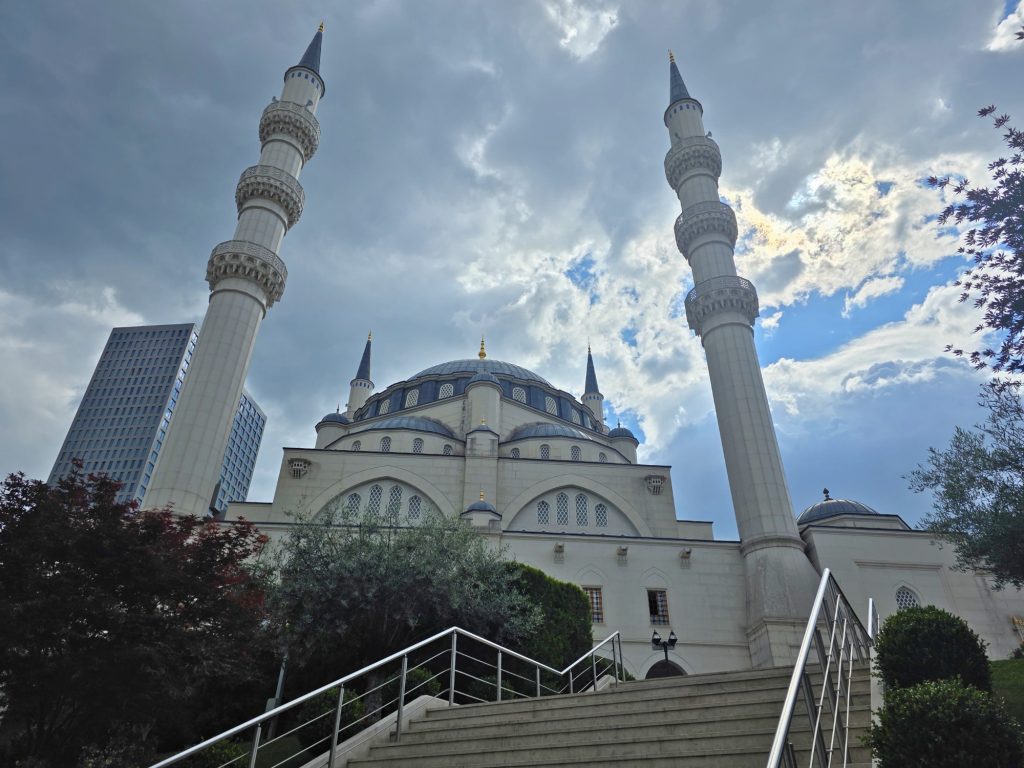
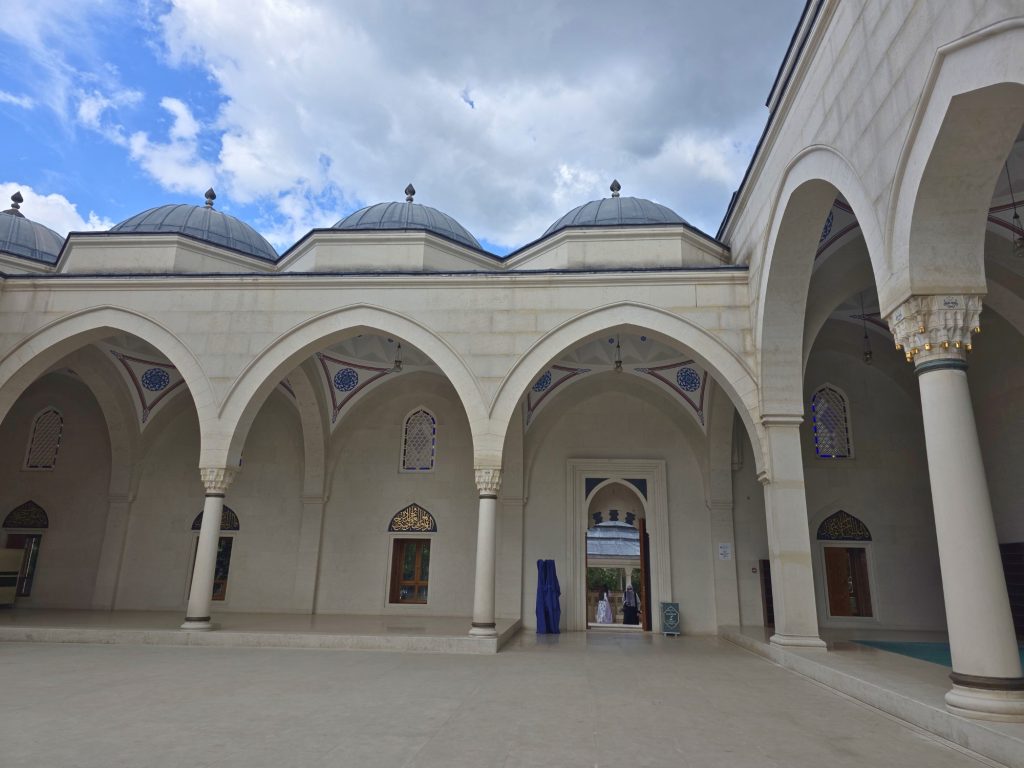
If you’re interested in religious architecture, it’s definitely worth having a look, especially because it shows a much newer side of the city compared with Et’hem Bey Mosque.
It’s an active place of worship, so the usual mosque etiquette applies if you plan to visit.
13. Visit Tirana Castle
Ok, to be fully transparent, Tirana Castle isn’t really a castle.
If you turn up looking for towers, grand rooms and castle walls you can properly explore, you’ll probably be disappointed.
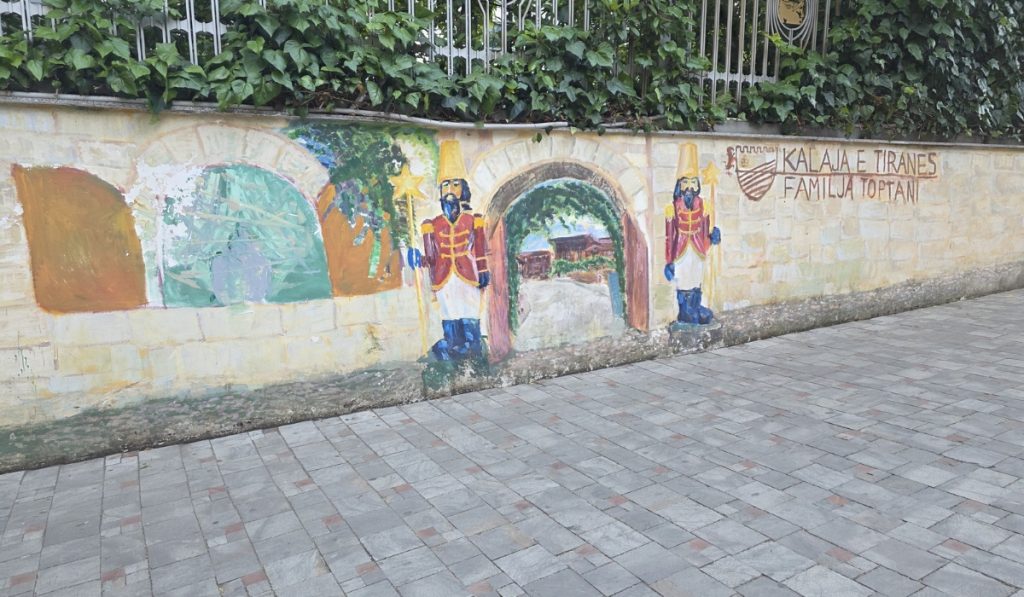
What you’ll find instead is a small historic area with some remaining fortress walls, restaurants, cafés and little shops. It’s also known as the Fortress of Justinian, and parts of the old walls are thought to date back centuries.
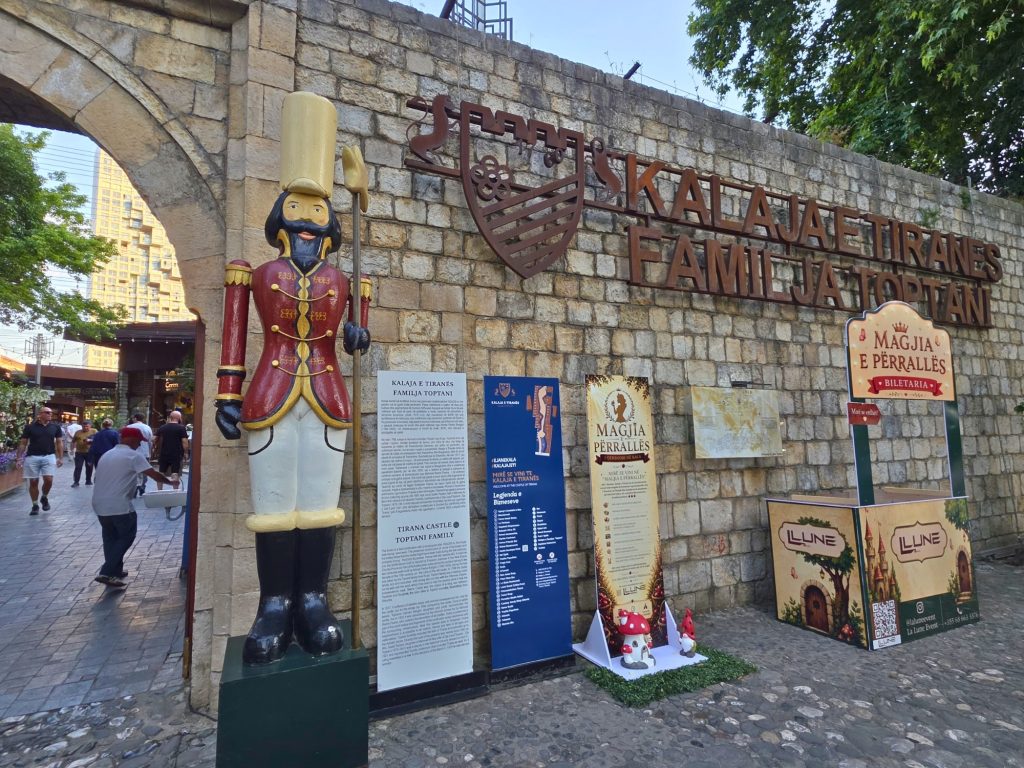
The castle is also linked to the Toptani family, one of Albania’s old noble families. You’ll often see it referred to as Kalaja e Tiranës / Familja Toptani, and the site reopened to visitors in 2018 as a collaboration between the Toptani family and Tirana Municipality.
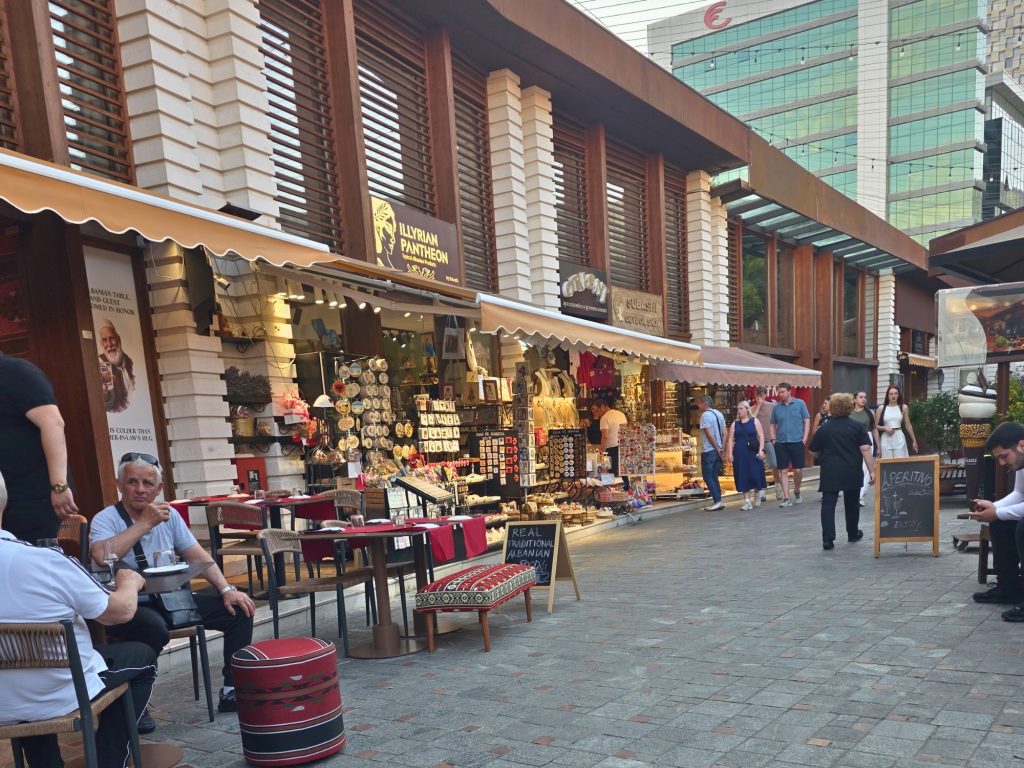
So yes, definitely add Tirana Castle to your list, buy some souvenirs and grab something to eat, but just know that you’re not going to be exploring a massive medieval masterpiece!
14. See Reja / The Cloud
Reja, also known as The Cloud, is a modern art installation in the centre of Tirana.
It was designed by Japanese architect Sou Fujimoto and originally created as the 2013 Serpentine Gallery Pavilion in London. These pavilions are temporary, so it wasn’t originally made for Tirana at all.
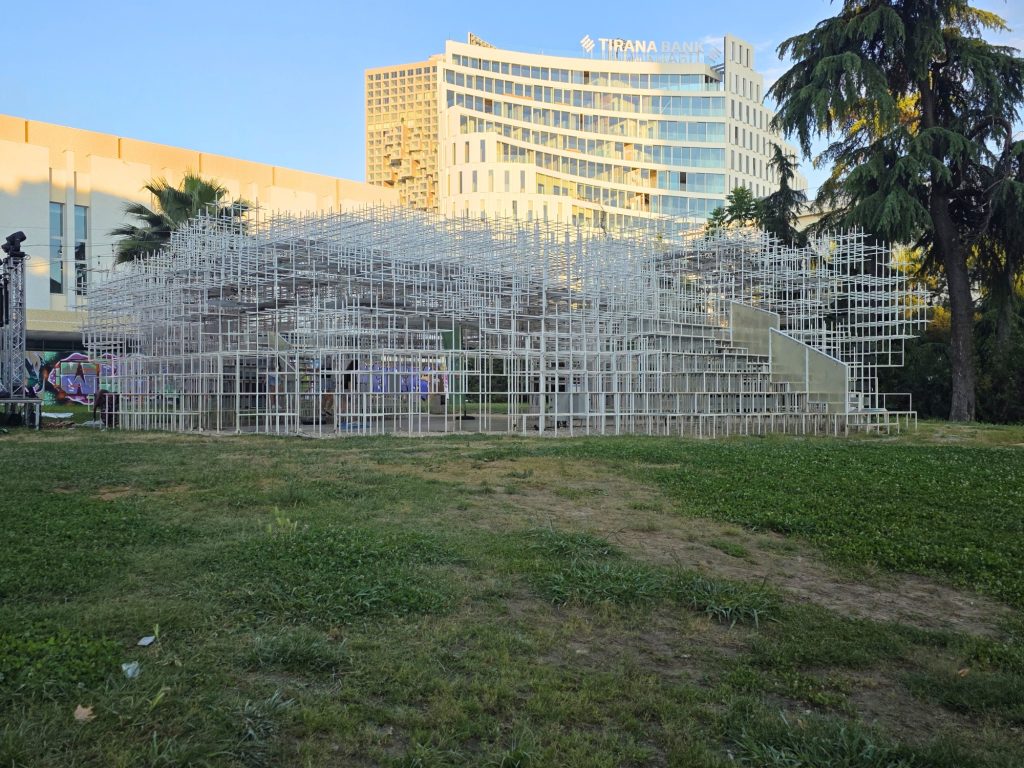
Tirana became the second city to host it, and it was installed outside the National Gallery of Arts in 2016. It was only meant to be temporary, but it ended up staying and is now one of the city’s most recognisable modern landmarks.
You can walk through it, sit underneath it, or stop for a quick photo as you’re passing. Sometimes there are events, talks or performances held here too, so it’s worth checking if anything’s on while you’re there.
There was a pride event while I was there and the area around the cloud was hopping from morning till night for a few days!
15. See the Berlin Wall and Postbllok Memorial
Postbllok is a small memorial in Tirana, but it’s one of the more interesting stops if you want to understand Albania’s communist history.
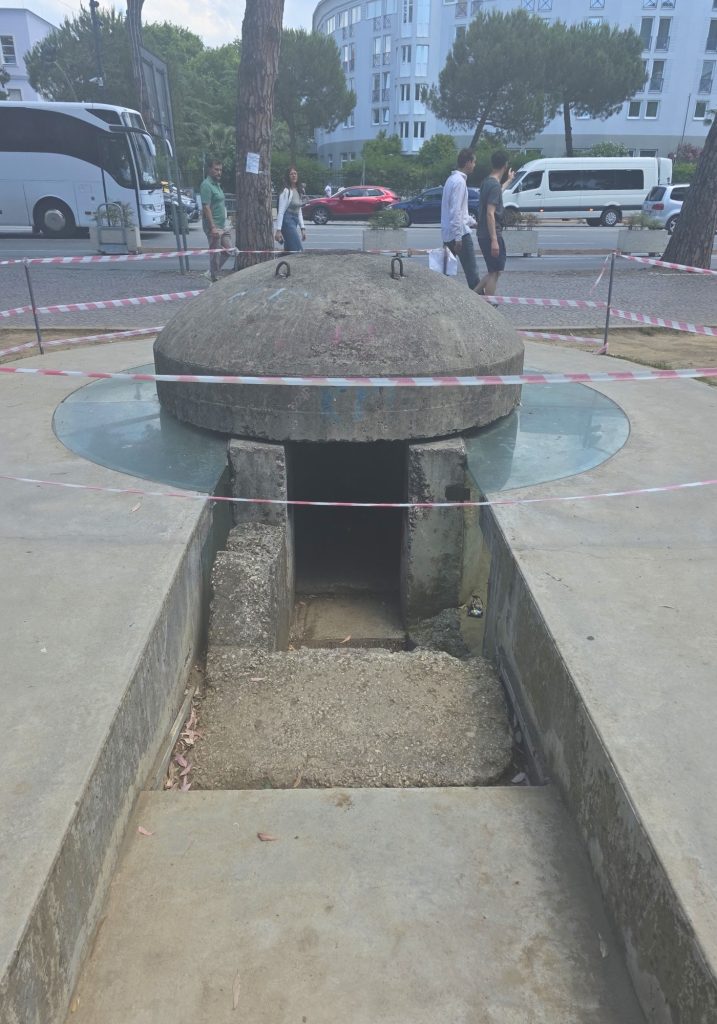
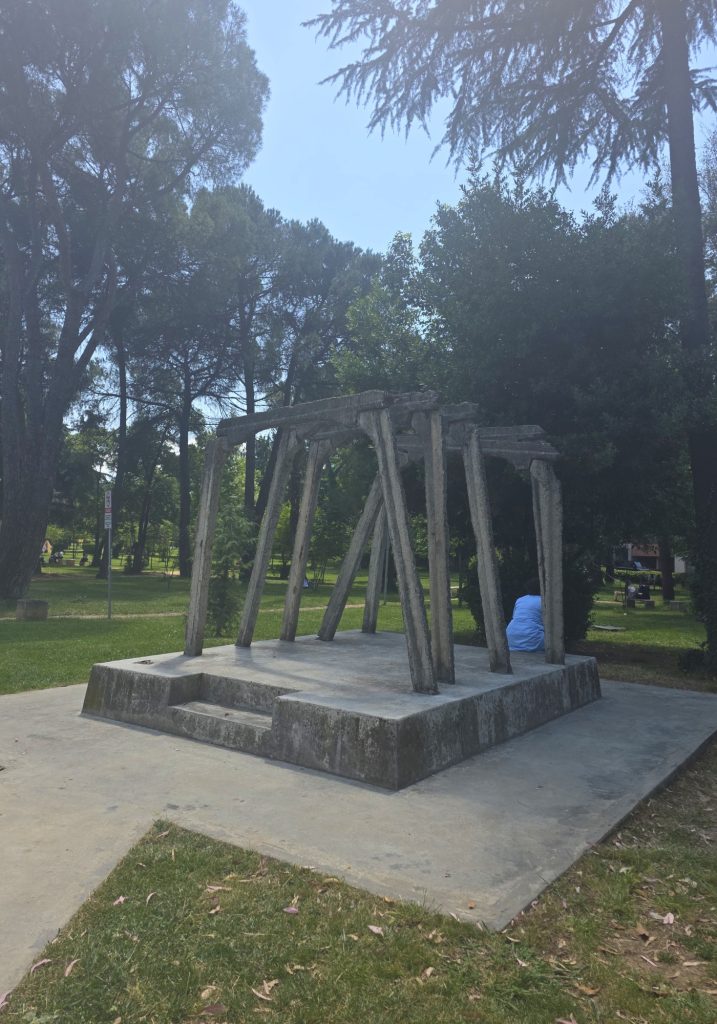
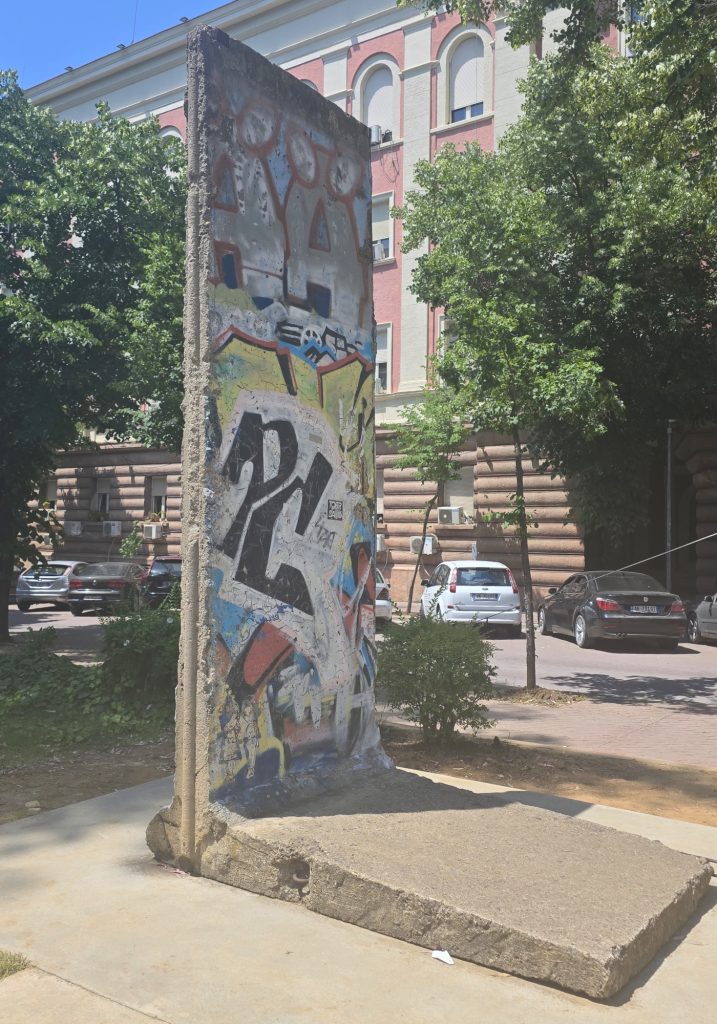
The memorial includes three main pieces: a section of the Berlin Wall, concrete supports from the Spac labour camp, and one of the small bunkers built across Albania during Enver Hoxha’s rule.
16. Take a Street Art Tour
If you have time for a second walking tour in Tirana, I’d really recommend doing a street art tour.
Tirana is a really colourful city, but a lot of that colour has a story behind it.
After the fall of communism, former mayor Edi Rama, who was also an artist, started having buildings painted in bright colours as part of a wider effort to change the look of the city. You’ll still see that around Tirana today, along with newer murals and street art pieces.
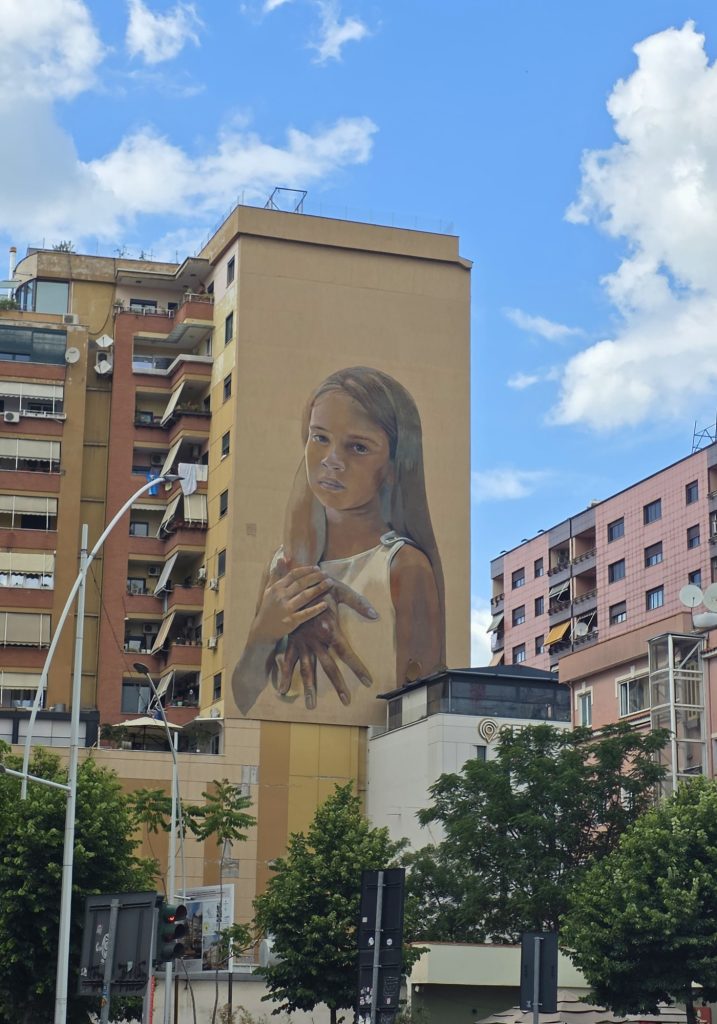
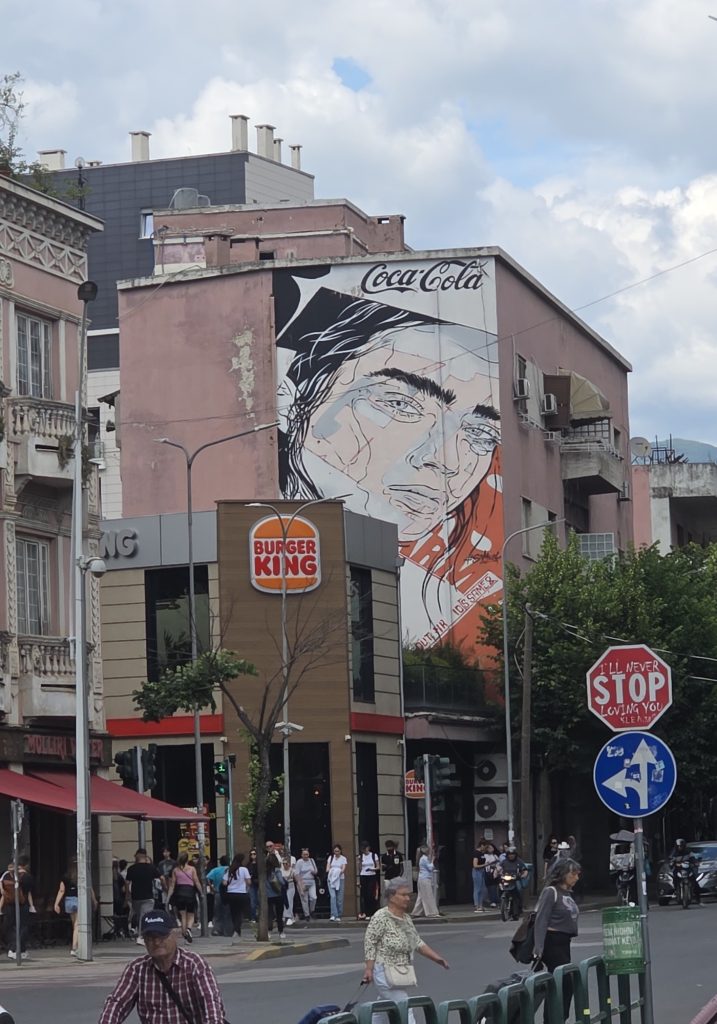
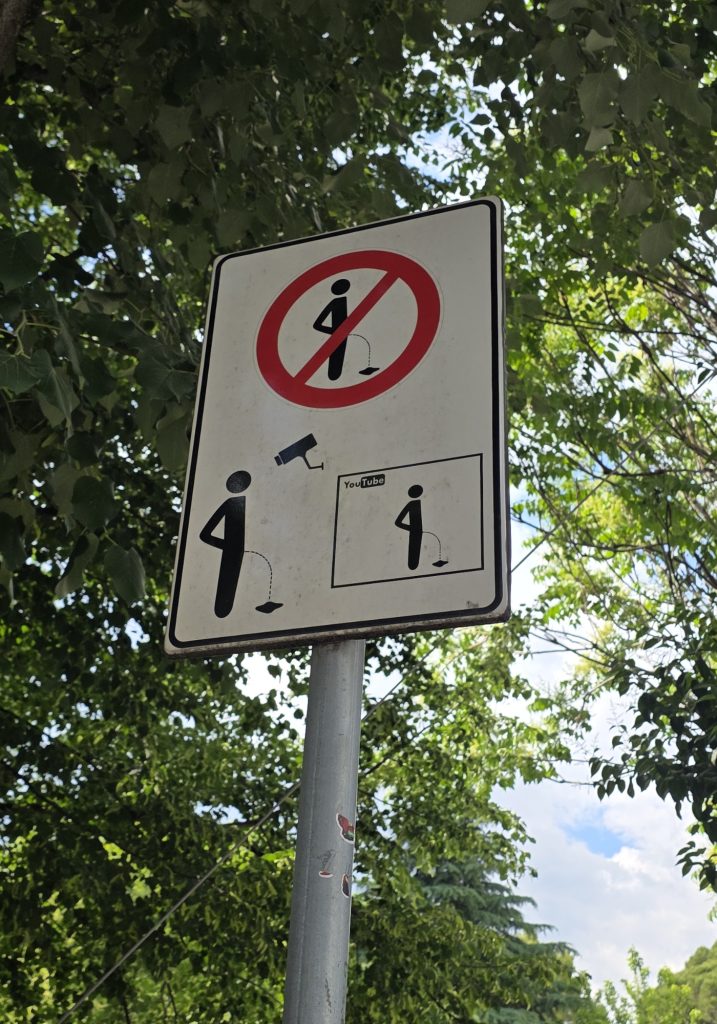
The tour also pointed out some of the funny signs around the city, which I definitely would’ve missed on my own. One of them basically warned people not to pee under a bridge or they’d end up on YouTube. Not exactly your standard city signage!
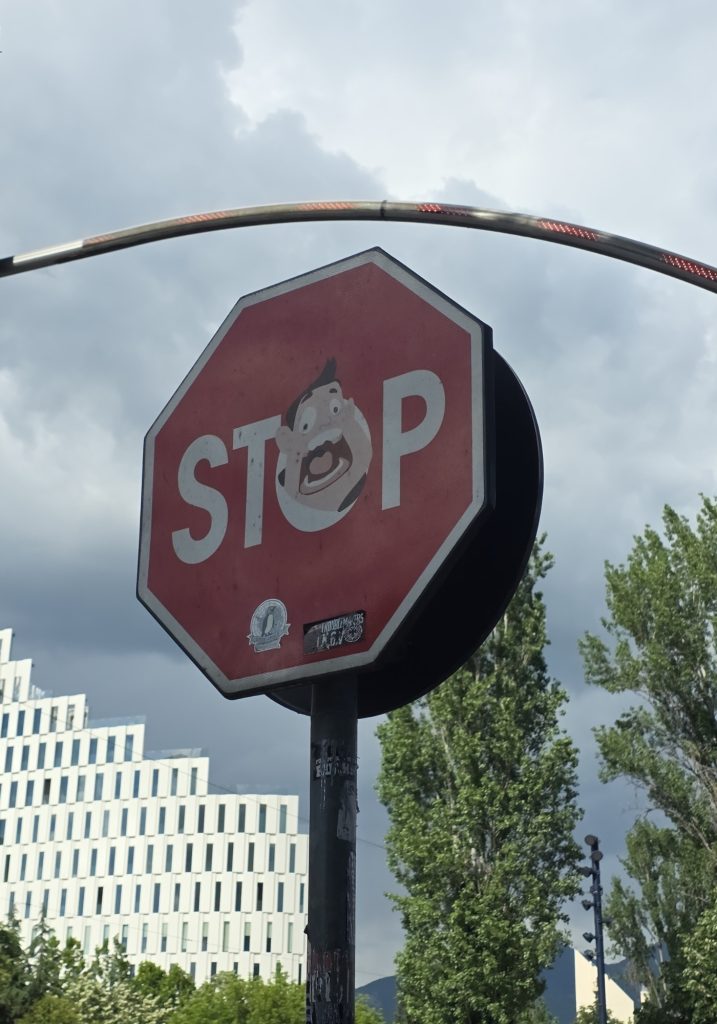
The tour also covers a bit more of modern Tirana, which balances nicely with all the museums and communist history you’ll encounter during your trip.
If you’re interested in photography, architecture or seeing something beyond the main tourist sights, it’s definitely worth adding this tour to your Tirana itinerary.
17. Visit the Resurrection of Christ Orthodox Cathedral
The Resurrection of Christ Orthodox Cathedral is another one of the main religious buildings in Tirana.
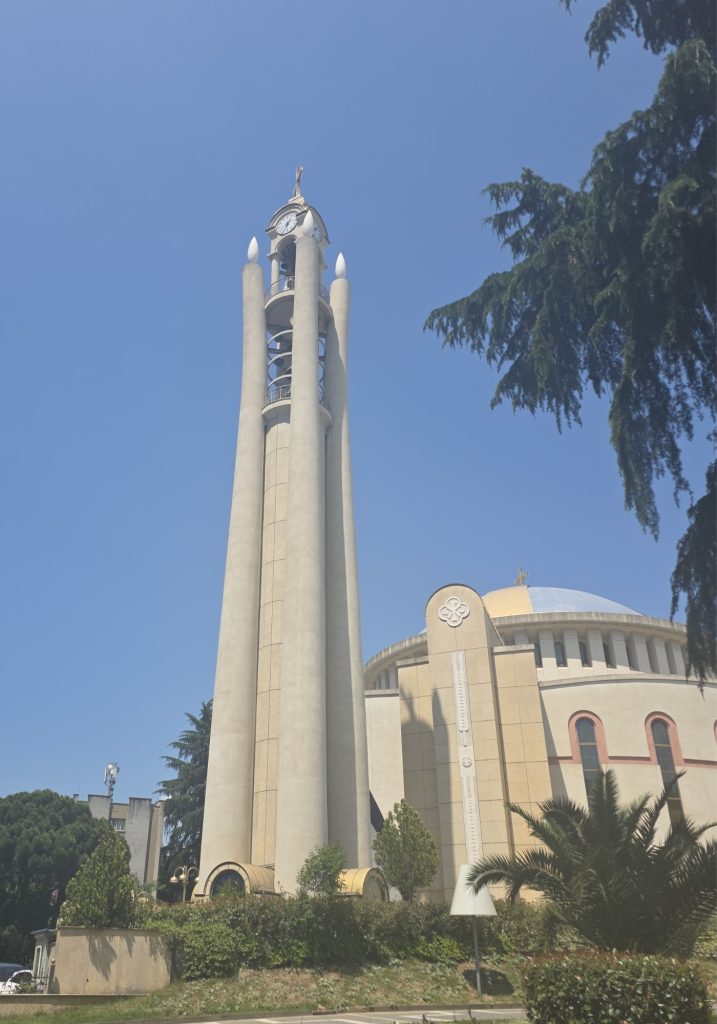
It opened in 2012 and was built to mark the 20th anniversary of the revival of the Albanian Orthodox Church after the fall of communism. Like so many religious sites in Albania, it’s tied to the country’s move away from enforced atheism.
The cathedral is large and bright inside, with a huge dome, a separate bell tower and beautiful religious artwork.
18. Visit St. Paul’s Cathedral
St. Paul’s Cathedral is the main Catholic cathedral in Tirana, completed in the early 2000s, after religion was allowed again in Albania.
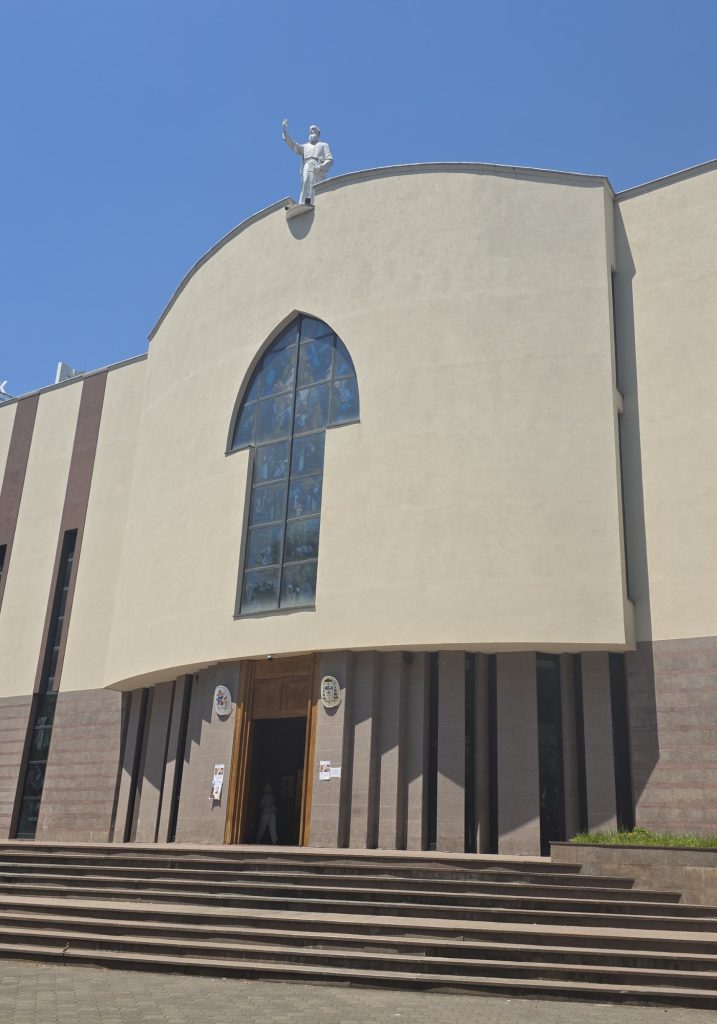
The cathedral itself is quite modern. What makes it interesting is the huge stained-glass window showing Pope John Paul II and Mother Teresa, who had Albanian heritage.
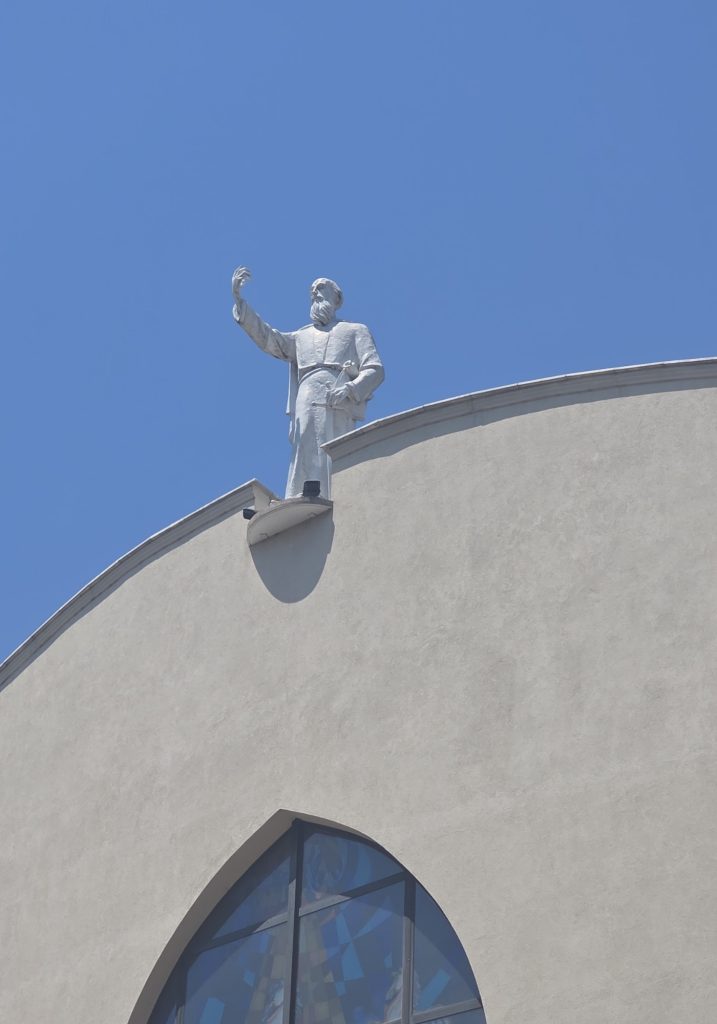
And, I’m sure this wasn’t intentional, but from certain angles the statue of St. Paul on top of the cathedral really looks like he’s taking a selfie, which made me giggle.
19. Visit Mother Teresa Square
Mother Teresa Square, located at the end of Dëshmorët e Kombit Boulevard, is named after… you got it, Mother Teresa, who was born in Skopje to an Albanian family.
The square is surrounded by the University of Tirana, the Archaeological Museum and the Polytechnic University. It’s also close to the Grand Park of Tirana.